10 Vintage Christmas Decorations Buying Tips?
Buying Vintage Christmas Decorations can feel like opening a dusty family attic. Each piece may carry color, craftsmanship, and a small mystery.
Bob Richter, a vintage holiday décor expert and author of A Very Vintage Christmas, says, “The best decorations have a story.” That idea shapes this guide. A faded glass bauble might have more character than a flawless modern replica. However, age alone does not guarantee quality or value.
These ten buying tips focus on practical inspection and informed choices. Look closely at paint loss, loose caps, brittle wires, stains, odors, and repaired seams. Check whether an item is genuinely vintage or simply designed to look old. Read seller descriptions carefully. Ask for clear photographs, measurements, maker marks, and damage details. Small details matter.
Some pieces are unsafe.
Avoid using damaged electrical decorations until a qualified professional checks them. Battery-powered options can preserve the appearance while reducing electrical concerns. For fragile ornaments, consider display-only use near the tree, not on crowded branches. Keep delicate materials away from heat, moisture, pets, and young children.
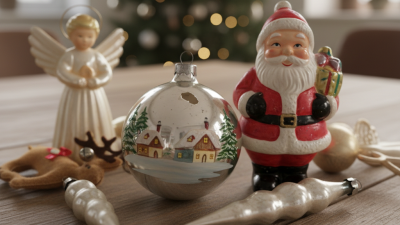
Your taste matters more than resale promises. A slightly uneven ceramic Santa may suit your home better than a rare ornament with no emotional connection. I once overlooked faded cardboard decorations because they seemed imperfect. Later, their soft colors became the room’s warmest feature. That changed my buying habits.
Expect mistakes. Vintage shopping involves uncertainty, incomplete histories, and occasional disappointment. These tips help you spend thoughtfully, recognize honest condition, and build a Christmas collection with genuine personality.
Define What Qualifies as a Vintage Christmas Decoration
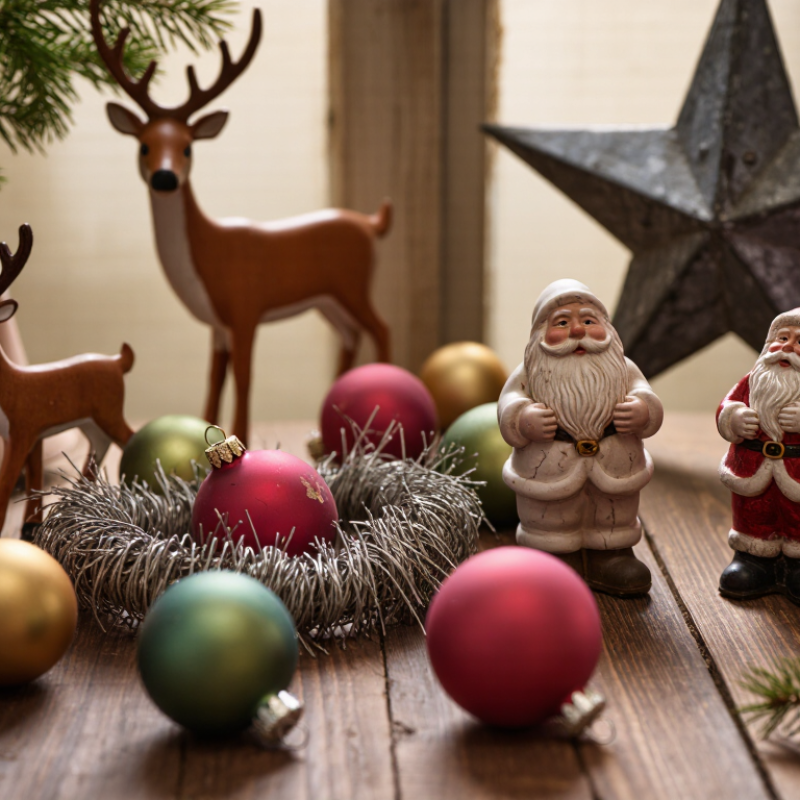
A vintage Christmas decoration is more than an old ornament found in a dusty box. It usually reflects a recognizable period, design style, material, or manufacturing method from an earlier era. Decorations from the 1940s through the 1990s may qualify, depending on their appearance and history. Age alone is not enough. A mass-produced item from last year may look worn, but it is not vintage.
When I inspect a decoration, I look for molded details, hand-painted marks, aged paper, original fasteners, and believable wear. Faded colors can suggest long exposure to light, while uneven paint may show careful handwork. However, damage can also be artificial. I once trusted a charmingly chipped ornament that had been deliberately distressed. That mistake changed my buying habits. Provenance, construction, and condition should support the story. Check old electrical decorations carefully. Frayed cords, brittle insulation, or loose sockets are practical warning signs.
Tips:
Ask when and where the item was acquired. Examine the surface under natural light. Compare the materials with documented period examples. Look for repairs, replacements, and modern glue. A small flaw may be acceptable. A safety problem is not. Keep original packaging when possible, but do not assume packaging proves age. Labels can be reproduced, and memories can be inaccurate. The strongest vintage pieces combine period character with honest, clearly described condition.
Evaluate Condition, Materials, and Authenticity
10 Vintage Christmas Decorations Buying Tips?
A vintage decoration should show its age honestly. Inspect the surface under bright, neutral light. Look for stable patina, tiny paint losses, softened edges, and original fasteners. Fresh scratches, cloudy varnish, or uneven repainting may indicate later alteration. I once trusted a convincing “old” finish too quickly. That mistake changed my buying habits.
Materials reveal more than appearance. Hand-blown glass often has slight thickness changes, seam marks, or small air bubbles. Molded plastic usually feels lighter and more uniform. Examine textile ornaments for weakened stitching, brittle fibers, stains, and musty odors. The United States Environmental Protection Agency reported that 17.2 million tons of textiles entered the waste stream in 2018, with about 11.3 million tons landfilled. Choosing repairable pieces can support a longer product life, but damaged fabric may deteriorate further.
Authenticity requires several matching clues, not one dramatic detail. Compare the ornament’s construction, finish, hardware, packaging, and claimed production period. A paper label can help, but labels are replaceable. Ask for measurements and clear photographs of the reverse side. The 2023 Circularity Gap Report estimated that only 7.2% of the global economy was circular, highlighting the value of extending product use. Still, “rare” does not mean genuine. Seek independent appraisal for expensive pieces, and record provenance when available. Condition reports are imperfect. Your judgment should remain flexible.
Choose a Style, Era, and Color Scheme
Vintage Christmas decorations feel more convincing when their style, era, and colors agree. Choose one visual direction before buying. Mid-century pieces suit simple shapes, glass ornaments, and warm metallics. Victorian designs favor velvet, detailed trims, and deep reds. Rustic decorations work better with wood, paper, and faded green tones. Mixing eras can look charming, but random mixing often feels accidental.
Tips: Create a small reference board first. Photograph your tree, mantel, and existing ornaments. Then select two main colors and one accent shade. A 1940s palette might combine ivory, cranberry, and muted gold. Avoid buying every attractive piece. I have learned that restraint usually looks more authentic. Check measurements carefully, especially for fragile table decorations and narrow shelves. Inspect seams, paint loss, wiring, and odors before paying. Age adds character, but damage still affects safety and value.
Industry data supports careful planning. The National Retail Federation reported $964.4 billion in U.S. holiday sales during 2023, indicating intense seasonal demand and fast-moving inventory. The U.S. Consumer Product Safety Commission also advises checking older decorative lights for damaged cords, loose connections, and overheating risks. Vintage appearance should never outweigh safe use. Consider documented materials, construction quality, and seller descriptions, but treat vague “antique” claims cautiously. A decoration may be old without being rare. Some pieces look better in photographs than in person. Allow room for that disappointment.
Compare Prices, Sellers, and Product History
When buying vintage Christmas decorations, compare prices before trusting a charming photograph. Measure each piece, including its box, because shipping can change the real cost. A hand-painted glass ornament may cost more than a similar plastic one, but condition and craftsmanship should support the difference. Check several sellers for matching shapes, colors, and sizes. Small price gaps are normal. Large gaps need explanation.
Study the seller’s description carefully. Reliable sellers mention chips, fading, repairs, missing hooks, and unpleasant storage smells. Ask for close photos of seams, paint, labels, and the base. Review their past feedback, especially comments about accurate descriptions and safe packaging. I once bought a delicate ornament after seeing only its front. The hidden crack was obvious later. That mistake still influences my buying checklist.
Product history can improve a purchase, but vague stories should not increase the price automatically. Ask when the decoration was made, where it was found, and whether the seller knows its previous use. Compare those details with reference books, museum collections, auction records, or experienced collector forums. Materials can reveal age: molded plastic, pressed glass, foil, wood, and fabric each show different wear patterns. Be cautious with “rare” claims without evidence. A dusty box is not proof of authenticity. Set a total budget, including delivery and possible restoration. Leave room for doubt.
Check Safety, Storage Needs, and Long-Term Value
Vintage Christmas decorations can add warmth, but charm should never replace careful inspection. Check for cracked glass, sharp metal edges, loose parts, and flaking paint. Older electrical lights deserve extra caution. Brittle wires, darkened sockets, or missing insulation are clear warning signs. Do not plug them in. A qualified electrician should assess unusual wiring before anyone uses it.
Storage needs often determine whether a decoration survives another decade. Wrap fragile ornaments separately in acid-free tissue, not newspaper, which can transfer ink. Use sturdy boxes with dividers, and label each box with its contents. Keep decorations away from damp basements, hot attics, and direct sunlight. Moisture can tarnish metal and encourage mold. I once stored delicate ornaments in a garage cabinet. That was careless; temperature changes caused several finishes to crack.
Long-term value depends on condition, rarity, craftsmanship, and documented history. A handwritten note about where an ornament came from may increase its meaning and future appeal. However, resale value is never guaranteed. Avoid repainting or repairing pieces without advice from a qualified conservator. Original surfaces often matter more than a polished appearance. Photograph unusual details before storage, including maker marks, construction methods, and damage. This record helps with insurance discussions and future evaluation. A lower-priced decoration in excellent condition may prove wiser than a costly piece with hidden repairs.