2026 Top Wall Christmas Tree Types for Global Buyers
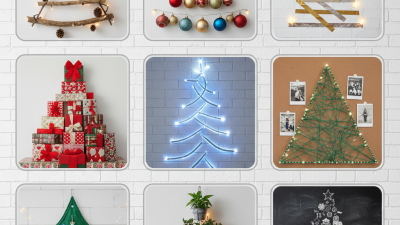
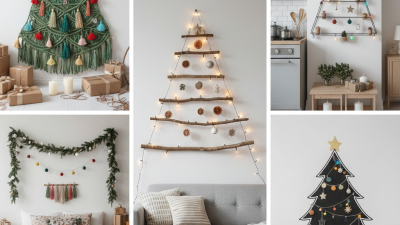
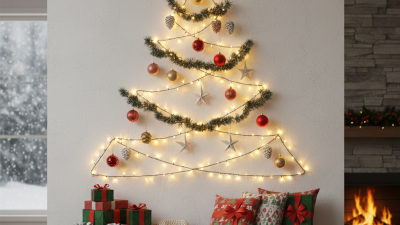
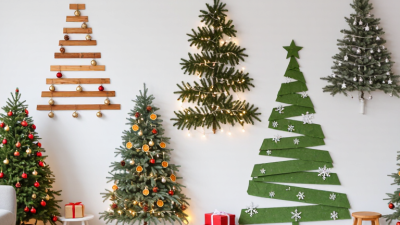
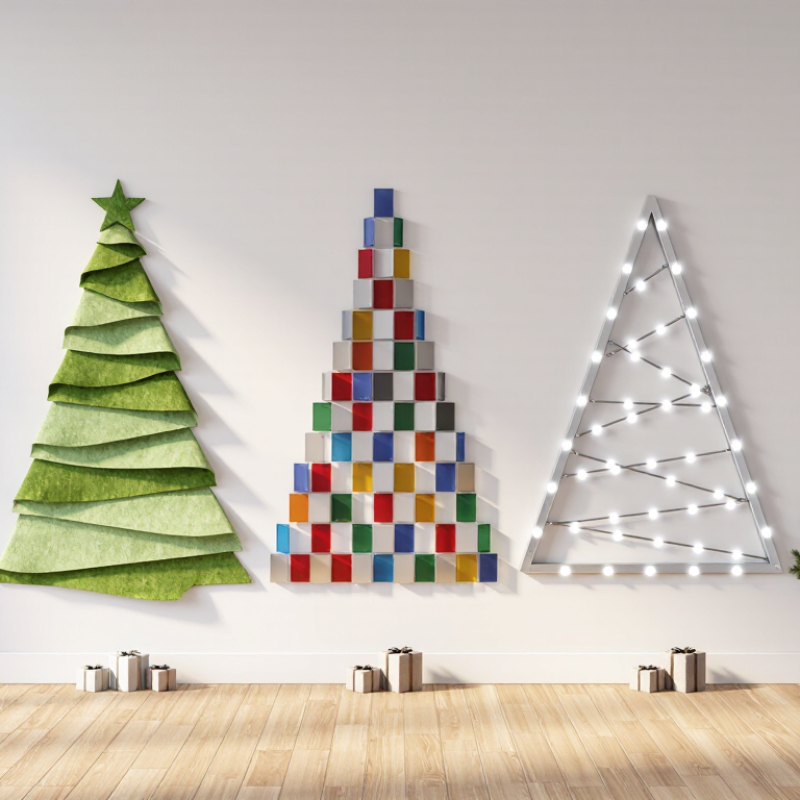
For global buyers, choosing a 2026 Wall Christmas Tree requires more than following seasonal trends. Homes are becoming smaller, while retailers still need products that look festive, store efficiently, and ship safely. Popular types may include slim wooden trees, fabric or felt designs, modular panel trees, LED wall displays, and space-saving artificial branches. Each style creates a different customer experience.
A slim wooden Wall Christmas Tree can suit minimalist interiors and repeated seasonal use. Felt versions feel warmer and safer for family spaces. Modular designs support customization, which helps retailers serve different room sizes and cultural preferences. LED models attract attention in shop windows, but buyers should examine wiring quality, heat control, adapter compatibility, and destination-market requirements. Packaging also matters. A crushed edge or tangled light set can quickly become a costly complaint.
Reliable sourcing depends on evidence, not attractive photographs alone. Request material details, product dimensions, assembly instructions, load information, sample units, and consistent quality records. Check whether labels and electrical documentation match the countries where products will be sold. Requirements differ globally, so one certificate should not be treated as universal proof. It is also wise to compare carton strength, replacement-part access, and return handling before placing a large order.
No single type wins everywhere. A design that performs well in Europe may feel too plain elsewhere. Some trendy finishes may age badly. Buyers should test real samples under ordinary lighting and against actual walls. This guide compares the leading 2026 options through usability, appearance, safety awareness, shipping practicality, and long-term commercial value. Forecasts can be imperfect, but careful evaluation reduces avoidable surprises.
What Is a Wall Christmas Tree?
What Is a Wall Christmas Tree?
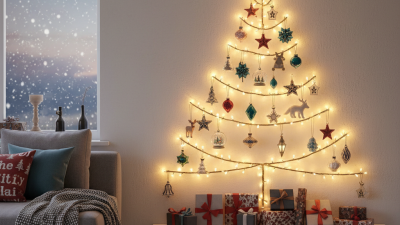
A wall Christmas tree is a festive display designed to sit against a wall instead of occupying open floor space. It may use a slim artificial frame, hanging branches, fabric panels, or a half-tree silhouette. Some models attach with hooks, while others use a freestanding support that rests near the wall. It is not simply a smaller tree. Its main purpose is saving space while keeping a familiar Christmas shape.
For global buyers, useful types include flat panel trees for apartments, hanging greenery for retail displays, and foldable trees for seasonal storage. Materials should feel stable, clean, and suitable for repeated assembly. Check flame-resistance information where local rules require it. Electrical versions also need compatible voltage, plug design, and safety documentation for the destination market. In my experience, installation quality matters as much as appearance. A beautiful tree can still fail if its wall fixing is weak. I once underestimated packaging space, and the branches arrived compressed. That mistake needed better planning.
Tips: Measure the wall first. Leave room for ornaments and nearby furniture. Test the mounting points before adding lights. Choose low-heat lighting and keep cables away from walking areas. Buyers should also inspect return terms, instruction clarity, and replacement-part support. Some compact designs look elegant online but appear sparse in person. Sample photos can mislead.
2026 Top Wall Christmas Tree Types for Global Buyers
What Is a Wall Christmas Tree?
A wall Christmas tree is a space-saving holiday decoration designed to be mounted, leaned, or suspended against a wall. The chart compares representative retail dimensions commonly used for five wall-tree formats. Flat-panel and half-tree designs typically provide the greatest height, while hanging branch and corner models are better suited to compact rooms, apartments, and commercial displays with limited floor space.
Key Features and Materials for Global Buyers
2026 wall Christmas trees are gaining attention where floor space, shipping volume, and installation time matter. Grand View Research estimates the global artificial Christmas tree market will continue growing through 2030, supported by reusable seasonal décor.
For global buyers, material selection deserves equal attention. PE needles look more natural, while PVC offers lower cost and denser coverage. A powder-coated steel frame improves stability on narrow walls. MDF backing can reduce movement, but it may add weight and moisture concerns.
LED lighting should include documented electrical testing for the destination market. The International Energy Agency reports that LED lighting uses far less electricity than traditional incandescent lighting. This supports lower operating costs during long holiday displays.
However, buyers should check plug types, voltage, cable length, and replaceable components. Decorative products often fail at the connector, not the tree. That detail is easy to miss.
Tips: Request samples before bulk orders. Bend the branches repeatedly. Check odor, edge finishing, wall anchors, carton strength, and flame-resistance documentation.
The Forest Stewardship Council reports that certified wood helps improve traceability, but certification does not guarantee perfect durability. Recycled PVC can reduce virgin plastic use, yet its color and flexibility may vary. I would avoid judging quality from photographs alone. A small sample may reveal an uncomfortable truth.
How to Choose the Right Wall Christmas Tree
A wall Christmas tree should match your space, wall, and local conditions. Measure the available height and width before comparing styles. Slim artificial panels suit apartments and narrow hallways. Felt or fabric trees are lighter and softer for bedrooms. Wooden frames add texture but need stronger fixing points. LED designs create a bright display with little floor space. Choose warm light for bedrooms and neutral light for shops or offices.
Check the wall surface carefully. Painted drywall may need anchors, while tile requires suitable drill bits and careful pressure. Ask for the product weight, packed size, cable length, and mounting method. These details affect installation and shipping costs. For global buyers, confirm the operating voltage, plug type, and applicable electrical safety documents. Materials should have clear care instructions and reasonable flame-resistance information. Do not rely only on attractive product photos.
I usually test a sample before placing a larger order. I look for loose stitching, sharp frame edges, uneven lighting, and weak hooks. Small defects become expensive when many units arrive. I once underestimated carton depth, and storage became difficult. That mistake still matters. Request assembly photos, replacement-part policies, and inspection records. Consider reusable packaging if the tree will travel between seasons. Check how the tree fits around sockets, doors, and existing wall decorations. A beautiful design can still fail when installation feels awkward.