Best Antique Christmas Decorations for Your Holiday Home?
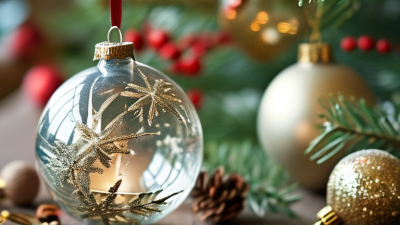
The charm of Antique Christmas Decorations brings warmth and nostalgia to holiday celebrations. These timeless pieces hold stories and memories from generations past. Imagine adorning your home with vintage ornaments that have witnessed countless festive gatherings.
Antique Christmas Decorations create a unique atmosphere, reflecting individual style and heritage. From delicate glass baubles to rustic wooden figures, each item adds character. Many people cherish these decorations for their aesthetic beauty, while others appreciate their historical significance.
In choosing the right antique pieces, keep in mind the importance of authenticity. It's essential to ensure that your decorations are genuine antiques to truly embrace their charm. Mixing old with new can be delightful yet challenging. Consider how each piece complements your overall decor. Embrace the imperfections of vintage items, as they tell a story that new decorations cannot.
Best Antique Christmas Decorations: A Comprehensive Guide
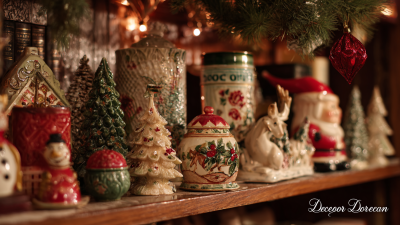
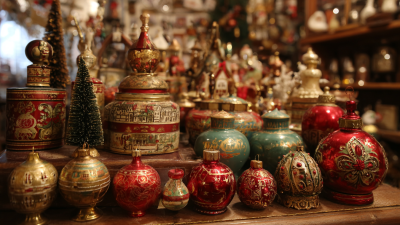
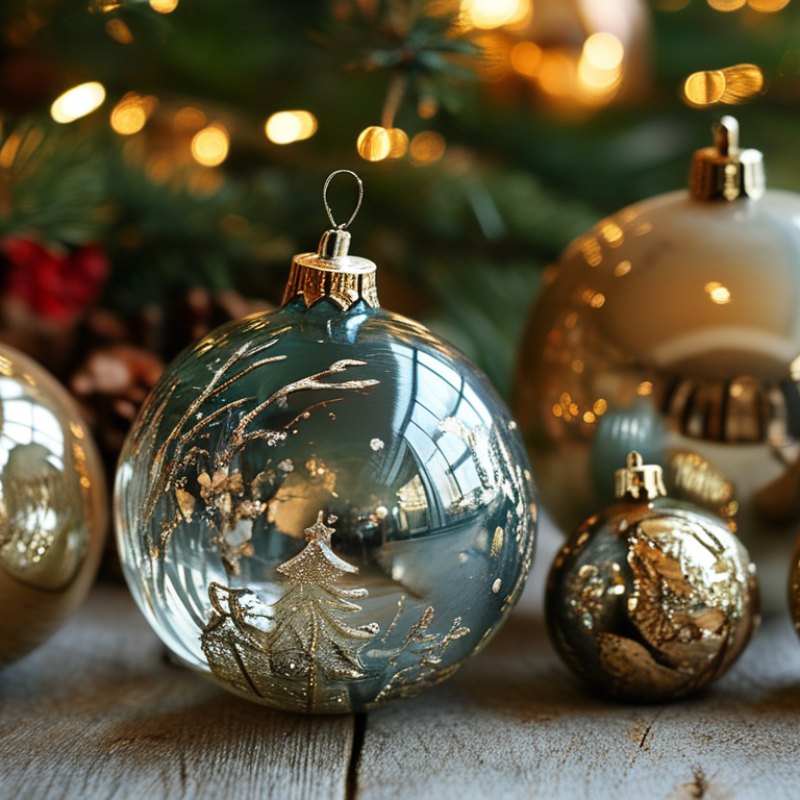
Decorating your home with antique Christmas decorations can create a warm and inviting atmosphere. The charm of vintage ornaments, from glass baubles to handcrafted wood figurines, brings history into your home. Look for pieces that tell a story, perhaps a delicate ornament passed down through generations. These items often carry sentimental value, enriching your holiday experience.
When selecting antique decorations, consider their condition. Some might show wear and tear, which adds character. However, ensure that fragile pieces are handled with care. Incorporating a mix of finishes and textures adds depth to your decor. You might hang lace-trimmed stockings or display a collection of old-fashioned candles. Balance is key. A cluttered look can diminish the beauty of these unique items.
Explore local antique shops or estate sales for hidden gems. Don't overlook flea markets, where unexpected finds await. Keep in mind that the best pieces do not always come clean and polished. Sometimes, they need a little love and restoration. That journey can enhance your appreciation for these decorations. Remember, it’s about creating a space that resonates with warmth and nostalgia during the holiday season.
The History and Evolution of Christmas Decorations Over the Decades
The evolution of Christmas decorations reflects cultural shifts and innovations. In the early 19th century, decorations were simple. Families used natural elements like pinecones and berries. By the Victorian era, more elaborate designs emerged. Glass ornaments began to replace natural items, showcasing craftsmanship.
According to research by the National Retail Federation, the holiday decoration market has seen a 5% growth annually. This shift towards collecting antiques highlights a desire for nostalgia. Vintage ornaments often carry stories, connecting generations. Some decorations from the 1920s to the 1950s have become prized possessions, now fetching high prices at auctions.
Yet, this trend raises questions. Are we overlooking modern design in favor of old styles? The uniqueness of antiques can create a cluttered look, potentially overwhelming a space. Finding the right balance between antique charm and contemporary aesthetics is essential for a cohesive holiday atmosphere.
Top 10 Vintage Christmas Decoration Styles and Their Characteristics
When it comes to vintage Christmas decorations, several styles stand out for their unique characteristics. The nostalgia factor often makes these decorations appealing. According to a report by the American Society of Interior Designers, around 35% of homeowners are embracing vintage decor. One popular style is the mid-century modern, known for its clean lines and bold colors. These decorations often include geometric shapes and materials like aluminum or glass. In today's market, demand for mid-century modern items has surged by over 40% in just five years.
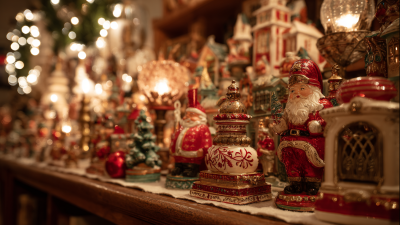
Another cherished style is the Victorian Christmas aesthetic. This entails ornate decorations heavily influenced by the 19th century. Richly colored fabrics, intricate baubles, and classic Santa figurines often define this style. It mirrors the romance of Christmas past and continues to attract enthusiasts. Data from the National Christmas Tree Association indicates that 20% of consumers specifically seek out Victorian-themed decorations during the holiday season.
Lastly, the rustic farmhouse style has gained momentum in recent years. Elements such as wood accents, plaid patterns, and handmade crafts resonate well with many people. While these decorations evoke feelings of warmth and comfort, their popularity may have resulted in oversaturation in some markets. Careful thought is needed to maintain authenticity with these items. Ultimately, exploring these vintage styles can add charm to holiday homes, just as long as homeowners remain aware of trends and quality.
Best Antique Christmas Decorations for Your Holiday Home
| Decoration Style |
Characteristic Features |
Era |
Best Display Areas |
| Victorian Ornaments |
Intricate designs with rich colors, often made of glass or metal. |
1837-1901 |
Trees and mantels |
| Art Deco Decorations |
Geometric shapes and bold colors, often metallic in finish. |
1920s-1930s |
Dining rooms and entryways |
| Shiny Brite Balls |
Brightly colored glass balls with reflective surfaces. |
1930s-1960s |
Christmas trees |
| Papier-Mâché Figures |
Handcrafted figurines depicting Santa or Christmas scenes. |
Pre-1900s |
Display cabinets or tables |
| Tinsel Garlands |
Sparkling strands made of metallic materials. |
Late 19th century onwards |
Trees and doorways |
| Nutcracker Figures |
Decorative wooden soldiers often used as ornaments. |
Early 1900s |
Mantels and shelves |
| Pinecone Ornaments |
Natural-looking ornaments crafted from pinecones. |
Traditional (various eras) |
Wreaths and trees |
| Scherenschnitte Decorations |
Delicately cut paper designs often depicting Christmas scenes. |
19th century |
Windows and cards |
| Vintage Santas |
Classic depictions of Santa Claus in various styles and materials. |
1900s onward |
Under the tree or on displays |
| Felt Decorations |
Soft, colorful elements often handmade. |
Mid 20th century |
Trees and kids' rooms |
How to Incorporate Antique Decorations into Modern Holiday Decor
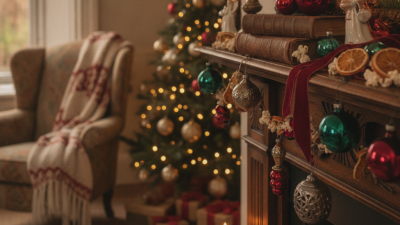
Incorporating antique decorations into modern holiday decor can create a unique atmosphere. Antique items add character and history to your space. Consider using vintage ornaments or old-fashioned candles. They evoke a sense of nostalgia that modern items often lack.
Mixing styles can be challenging. Try placing an antique figurine alongside contemporary ornaments. The contrast can elevate the overall look. You could also use a vintage tablecloth on a sleek dining table. This blend of old and new provides depth. Don't be afraid to experiment and adjust as you go. Some combinations may not work at first.
Using antique decorations means embracing imperfections. A chipped ornament can tell a story. Look for pieces that resonate with your memories. They can spark conversations and warm your heart. Your holiday home should reflect your journey, celebrating both the past and the present.
Best Antique Christmas Decorations for Your Holiday Home
Preserving the Value: Care Tips for Antique Christmas Decorations
Antique Christmas decorations create a unique charm in any holiday home. Preserving these treasures requires care. It's essential to understand their value and how to maintain it.
Tips for caring for antique decorations include proper storage. Avoid damp areas to prevent mold. Use acid-free tissue when wrapping items. This protects delicate surfaces. Regularly inspect the decorations for signs of wear or damage. Early attention can prevent more significant issues.
When displaying antiques, limit exposure to direct sunlight. This prevents fading and deterioration. Keep them away from heat sources, as extreme temperatures can cause cracking. Cleaning should be gentle. Use a soft, dry cloth to remove dust. Never use harsh chemicals that might harm original finishes.