
Leave Your Message

10 Best Twinkle Christmas Trees to Buy in 2026?

A Twinkle Christmas Tree can make a room feel festive before the ornaments even come out. But the best choice is not simply the brightest one. Branch shape, light spacing, color temperature, and setup time all matter when comparing trees for 2026. A warm glow should feel inviting, not like a shop display. Small details count.

Christmas-tree lighting specialist Clara Bennett puts it this way: “Look for lights that flatter the room, not just the tree.” Use that as a starting point, not a final verdict. A tree that looks lovely in a showroom may feel too dense beside a low ceiling or a narrow sofa. And product photos rarely show how cords, branches, and light points look from across an ordinary living room.

This guide compares ten Twinkle Christmas Tree options by appearance, convenience, lighting style, and value. It considers the practical things shoppers notice after unboxing: hinged branches that need shaping, bright points that can look uneven, and storage that takes more space than expected. Some trade-offs are easy to miss online. That is worth remembering. The aim is to help you find a tree that suits your home, your decorating habits, and the kind of glow you actually enjoy.
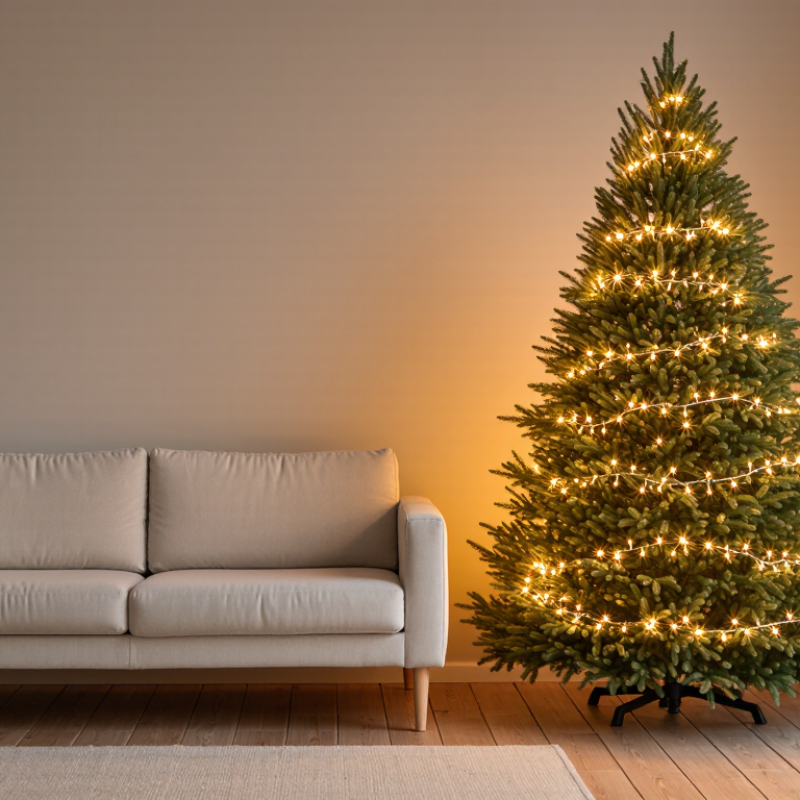
10 Best Twinkle Christmas Trees to Buy in 2026?

Define Twinkle Christmas Trees: LED, Fiber-Optic, and Smart-Light Types

Twinkle Christmas trees are artificial trees with lights designed to shimmer, change color, or shift patterns. The effect comes from three different systems: LED strings, fiber-optic branches, and smart lights. They can look similar in a showroom, but behave differently at home.

LED trees use small bulbs placed along branches. They offer clear points of light and usually allow steady, twinkling, or color-changing settings. The U.S. Department of Energy’s Energy Saver guidance says LED holiday lights use about 75% less energy than incandescent sets and can last up to 25 times longer. That comparison concerns lights, not whole-tree quality. Check whether bulbs are replaceable, and inspect how evenly they sit among the needles. Tiny gaps show.

Fiber-optic trees guide light through fine strands, creating glowing branch tips with fewer visible bulbs. They can give a soft, starry look, though a failed light source may dim many strands at once. Smart-light trees connect to an app or voice assistant for schedules, color scenes, and brightness control. Wi-Fi setup can be fussy, and app features may change over time. Before buying, check the controller, connectivity requirements, and whether the tree still works with its basic settings if the app is unavailable.

A useful detail. Decide whether convenience matters more than simple, dependable lighting.
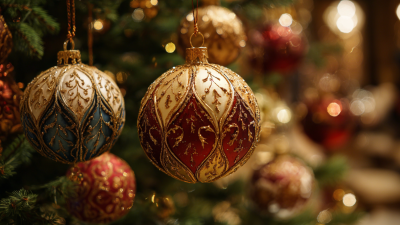
Set 2026 Selection Criteria: Height, Light Count, Branch Density, and Warranty

For a 2026 shortlist, match tree height to the room, not the product photo. In an 8-foot room, a 7-foot tree leaves about 12 inches for the stand and topper. Measure the doorway and storage space, too. Measure twice. Light count needs context: compare bulbs per foot, spacing, and whether the lights are replaceable. The U.S. Department of Energy reports that LEDs use at least 75% less energy and can last up to 25 times longer than incandescent lighting. That is useful when weighing bright displays against energy use, but it does not tell you how evenly a tree will glow.

Branch density has no single measurement standard, so inspect close-up photos and tip-count details. Look for visible inner branches, not just a large number of outer tips. Still, dense foliage can make ornaments harder to place; the fullest tree is not always the easiest to decorate. Check warranty length and whether it covers lights, branches, or only the frame. Read exclusions for shipping and labor. Check the plug. The National Fire Protection Association reported an average of 160 home structure fires involving Christmas trees each year from 2016 to 2020. Choose listed lighting, inspect cords, and follow the maker’s setup guidance.

Compare Energy Use: DOE Says LEDs Use at Least 75% Less Energy

10 Best Twinkle Christmas Trees to Buy in 2026?

Compare Energy Use: DOE Says LEDs Use at Least 75% Less Energy

A tree can sparkle brightly without drawing as much power as older incandescent lights. The U.S. Department of Energy says LED lighting uses at least 75% less energy than incandescent lighting and can last up to 25 times longer. That makes LEDs worth checking when comparing pre-lit twinkle trees. Still, “twinkle” describes the effect, not the energy use.

Check the tree’s wattage on its product label. For a simple comparison, imagine two sets running six hours nightly for 30 days: one uses 200 watts, the other 40 watts. They would consume about 36 and 7.2 kilowatt-hours, respectively. That example is illustrative, not a measurement of every tree. Small difference? Not always. A timer can also prevent lights from staying on all night.

Look for total wattage, not just bulb count or brightness claims. More LEDs do not automatically mean higher energy use; light output and design matter too. I’d compare similarly sized trees, then check the label before buying. It is easy to focus on the sparkle and overlook the small print. DOE guidance is useful, but your actual use depends on the tree’s rating and how long you leave it lit.

Verify Safety: NFPA Averaged 160 Christmas-Tree Home Fires (2016–2020)

A twinkling tree can make a room feel warm. It also brings electrical and fire risks indoors. The National Fire Protection Association (NFPA) reported an average of 160 U.S. home fires involving Christmas trees each year from 2016 to 2020. Those fires caused an annual average of two deaths, 11 injuries, and 12 million dollars in direct property damage. That is not trivial. These figures cover Christmas-tree fires broadly, not just fires involving decorative lights, but they make safety checks essential.

Before buying, look for lights certified by a recognized testing laboratory, and inspect wires for fraying, cracked insulation, or loose bulbs. Replace damaged strings; don’t tape over faults. Small details matter. Keep the tree at least three feet from fireplaces, radiators, and other heat sources, as NFPA advises. For a real tree, check the water daily: dry needles beside warm bulbs are a risky combination. Turn lights off before leaving home or going to bed, and avoid overloading outlets. Even careful shoppers can miss a worn plug or a pinched cord behind furniture. A quick check helps, though it cannot remove every risk.

Review 10 Top Picks by Room Size, Lighting Style, Budget, and Safety

Choosing among ten twinkle Christmas trees starts with the room, not the sparkle. For a desk or narrow apartment corner, a compact tree with warm, steady lights avoids crowding walkways. Larger living rooms can handle fuller branches and layered lighting, but check ceiling height and leave space near curtains and heaters. Slim profiles suit tight corners. A little tape measure helps.

Lighting changes both mood and running costs. The U.S. Department of Energy reports that LED bulbs use at least 75% less energy and last up to 25 times longer than incandescent bulbs. That makes LEDs a practical choice for long evening displays, though brightness and color still matter: cool white can feel stark beside warm lamps. For budgets, compare light count, branch density, included accessories, and replacement-light availability—not just the sticker price. The cheapest tree may look sparse once assembled.

Safety deserves equal weight. NFPA’s Christmas Tree Fires report says U.S. fire departments responded to an average of 160 home fires involving Christmas trees each year from 2016 to 2020. That figure concerns tree fires, not a direct comparison of artificial models, but it is a useful reminder to inspect cords, plugs, and damaged lights. Choose a tree with clearly stated electrical safety information, avoid overloaded outlets, and keep it away from heat sources. I’d still inspect the wiring after unpacking; product labels can’t catch every flaw.