How to Choose Antique Christmas Ornaments for Your Collection?
Antique Christmas ornaments evoke nostalgia and history, making them prized collectibles. According to a recent market report by The Antiques Journal, the demand for vintage decorations has surged by 30% in the last five years. Enthusiasts are eager to uncover unique pieces that tell a story. However, discerning quality in Antique Christmas ornaments is crucial.
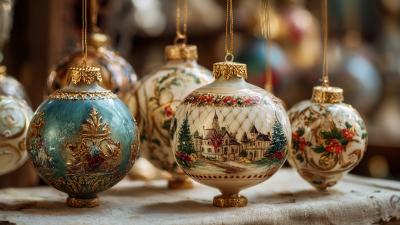
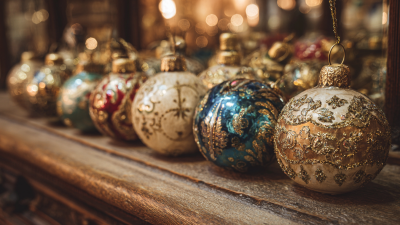
Understanding the different types of materials used is vital. Glass ornaments, for instance, can be fragile and often display intricate craftsmanship. Collectors should examine the provenance of each piece to ensure authenticity. Moreover, the patterns and colors can indicate its era, adding to its value. Recent studies show that collectors value original condition over restoration, which can significantly impact the piece’s worth.
As you delve into the world of Antique Christmas ornaments, consider your personal taste and the overall aesthetic you wish to create. It’s easy to fall for the allure of shiny, rare items, but it’s imperative to assess whether they resonate with your collection's narrative. This journey requires patience and informed choices, reflecting not just trends but a deeper appreciation for the art of ornamentation.
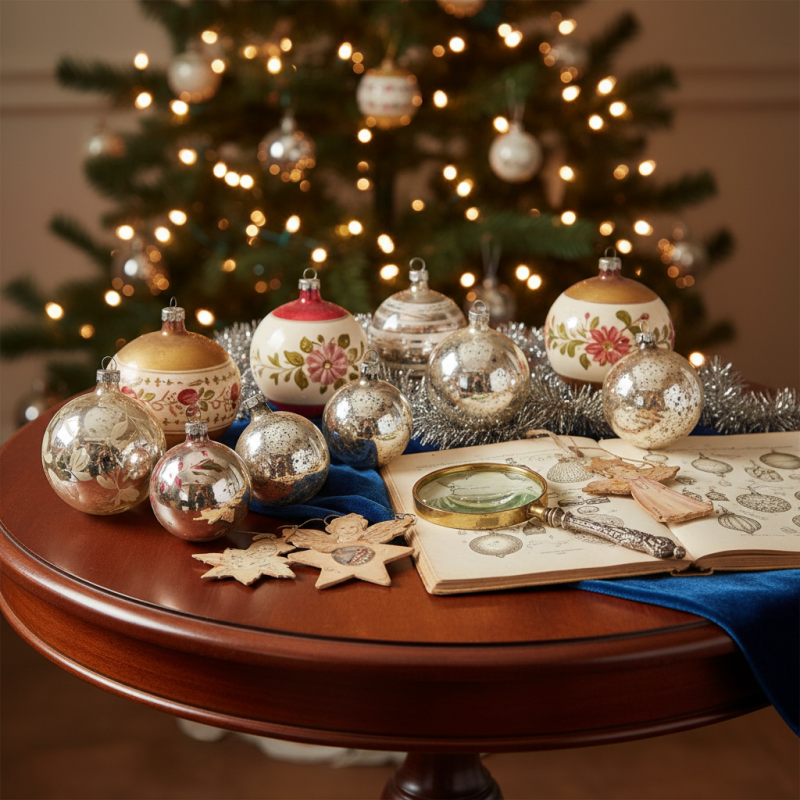
Understanding Antique Christmas Ornaments: History and Significance
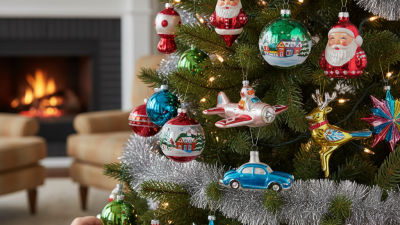
Antique Christmas ornaments hold a unique place in holiday traditions. They spark joy and nostalgia. Each ornament tells a story, connecting us to the past. Many date back to the 19th century. These delicate pieces reflect craftsmanship and artistry of their time. Glass, metal, and even wood were common materials. The glitter and shine capture the spirit of Christmas.
Understanding their history adds depth to a collection. Some ornaments were handmade, showcasing regional styles. Others were mass-produced, marking industrial advancements. The significance of these items often lies in their symbolism. Certain shapes represent luck or prosperity. Collectors should explore the origins of each piece. Knowing the story behind an ornament enhances its value.
Choosing antique ornaments requires careful consideration. Look for signs of age, wear, and uniqueness. Some ornaments may have repairs that tell a story of their own. They may not be perfect, but that imperfection is part of their charm. Reflect on what each piece means to you. Your collection should resonate with personal memories and values.
How to Choose Antique Christmas Ornaments for Your Collection?
| Ornament Type |
Material |
Era |
Significance |
Approximate Value |
| Glass Balls |
Glass |
1920s-1940s |
Popular for reflecting lights |
$10 - $50 |
| Tin Ornaments |
Tin |
1900s-1960s |
Often painted, nostalgic appeal |
$15 - $75 |
| Porcelain Figurines |
Porcelain |
1930s-1960s |
Captures holiday scenes, delicate |
$25 - $100 |
| Beaded Garlands |
Beads & Wire |
Victorian Era |
Handmade, adds texture |
$20 - $60 |
| Early Plastic Ornaments |
Plastic |
1950s-1970s |
Durable and colorful |
$5 - $30 |
Identifying Quality: Key Features of Antique Christmas Ornaments
When choosing antique Christmas ornaments, understanding quality is essential. Look for unique craftsmanship. These items often showcase intricate designs, reflecting the era they come from. Hand-painted details can reveal a lot about the ornament's history and value. Notice the paint's condition; original finishes should have a rich, deep hue. Faded colors might indicate wear but can also add character.
Materials play a significant role in quality assessment. Glass ornaments from the mid-20th century often possess a delicate beauty. Check for signs of bubbles or imperfections, as they signal genuine handmade production. Metal-based ornaments might show signs of oxidation, which indicates age. Be cautious with repairs; poorly done fixes can detract from an ornament's charm.
Authenticity is tricky. Always seek reputable sources when adding to your collection. A great find may have charm, but without provenance, its value can be questionable. Look for visible wear that tells a story. However, over-cleaned ornaments may lose their appeal. Embrace the imperfections; scratches or chips could add to an ornament's unique narrative. Each piece carries a legacy worth preserving.
Researching Different Styles and Materials of Ornaments
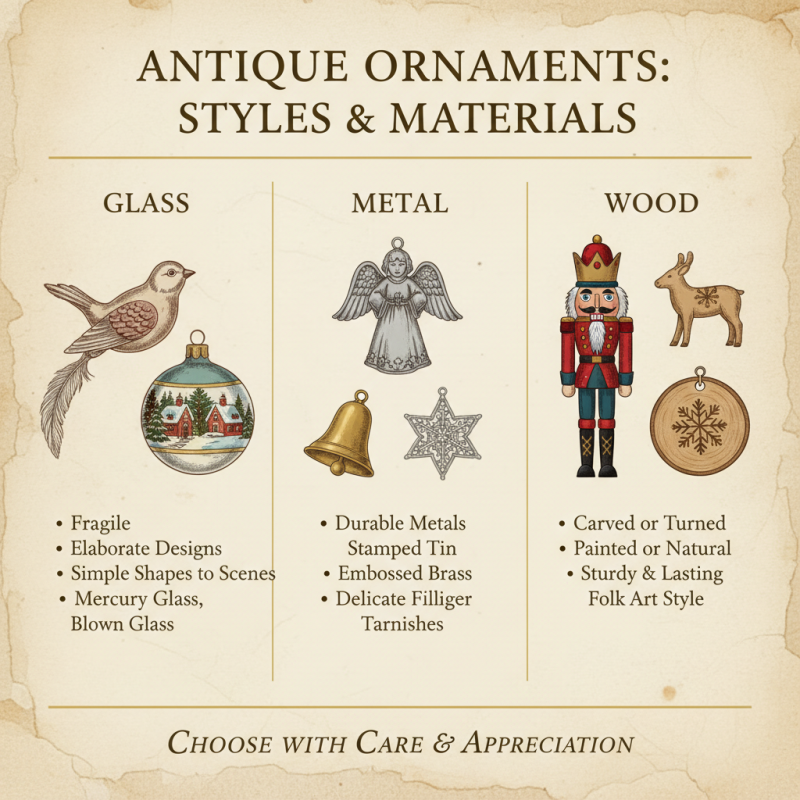
When selecting antique Christmas ornaments, understanding styles and materials is essential. Many antique ornaments were crafted from glass, metal, or wood. Glass ornaments often showcase intricate designs. They can range from simple shapes to elaborate scenes. However, glass is fragile. Care must be taken when handling or displaying them.
Metal ornaments, often made of tin or silver, provide a different charm. They are usually more durable but can tarnish over time. This requires regular cleaning and maintenance to preserve their beauty. Wooden ornaments offer a rustic appeal, often hand-carved and painted. Their imperfections tell a story, adding character to your collection.
Researching these materials and their histories can deepen your appreciation. Each style reflects different eras and traditions. Not all ornaments are in perfect condition. Some may have cracks or paint loss. These flaws can be acceptable, adding to their uniqueness. Embrace these imperfections as part of the historical narrative. In doing so, you create a collection that is both beautiful and meaningful.
Evaluating Authenticity: Tips for Spotting Reproductions
When evaluating antique Christmas ornaments, authenticity is key. Many reproductions flood the market, often leading collectors astray. A report by the Antiques and Collectibles Industry Association states that nearly 40% of holiday ornaments sold as "antique" are, in fact, reproductions. This statistic underscores the importance of knowing what to look for.
One major tip is to inspect the craftsmanship. Genuine antique ornaments usually showcase hand-painted details. They often exhibit minor imperfections, reflecting their age and unique history. For example, if an ornament is too perfect or uniformly painted, it might be a reproduction. Look for uneven lines or slight variations in color; these traits indicate authenticity.
Another way to spot reproductions is to analyze the materials. Antique glass ornaments are often thinner and might show signs of wear. In contrast, reproductions may use thicker glass or even plastic. Collectors should also consider the ornament's weight; genuine pieces often feel more substantial. Relying on these cues can help in building a reliable collection without the fear of missteps.
Where to Buy: Best Places to Find Antique Christmas Ornaments
When searching for antique Christmas ornaments, the right places can make all the difference. Local antique shops often hold hidden gems. These stores may have unique pieces that tell a story. According to a survey by the Antique Trade Association, around 70% of antique buyers prefer local shops for their personal touch.
Estate sales and auctions can be great options as well. They frequently feature a mix of personal belongings, including ornaments. This setting allows buyers to find items with real history. A report from the Antique Appraisal Conference noted that over 60% of collectors find their best pieces through auctions. Online platforms also offer a wide selection, but buyers should research sellers thoroughly.
Don't overlook thrift shops and flea markets. Many people donate their old decorations, including antiques. Some of these items can be surprisingly valuable. However, one must be cautious. Authenticating an item can be challenging, and not every antique looks pristine. A good eye for detail is essential here. Seek expert opinions if necessary. This journey to find vintage ornaments is rewarding, yet it requires effort and a bit of luck.