How to Choose the Best Antique Christmas Ornaments for Your Collection?
When it comes to collecting antique Christmas ornaments, the journey is as magical as the decorations themselves. Antique Christmas ornaments are treasures from the past, each telling a unique story. They evoke nostalgia and warmth, making them a cherished addition to festive decor.
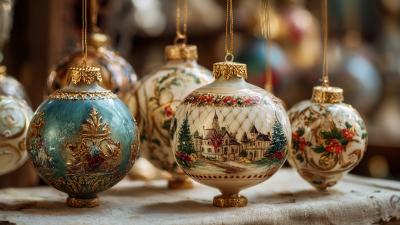
Choosing the right ornaments requires an understanding of their history and craftsmanship. Look for unique designs and materials that reflect the era they represent. Glass ornaments from the 19th century hold intricate details, while hand-painted wooden pieces offer a rustic charm. Collectors must consider factors such as rarity and condition, which can influence value.
However, diving into antique collecting is not without challenges. It’s essential to ask questions and seek expert advice. Some pieces may have undergone restoration, affecting their authenticity. Discovering the right antique Christmas ornaments means embracing both the joy of collecting and the responsibility of making informed choices.
Understanding the History and Significance of Antique Christmas Ornaments
Antique Christmas ornaments hold a rich history that adds depth to any collection. Many of these ornaments date back to the 19th century. They were often handmade, reflecting unique craftsmanship. Each piece tells a story of traditions and festive joy. The materials used, like glass and metal, contribute to their charm and fragility.
Understanding the significance of these ornaments is crucial for collectors. Many families passed these items down through generations. They became symbols of cherished memories and holiday spirit. However, not all ornaments are created equal. Some may be poorly preserved, losing their original luster. Others might have repairs that affect their value. It’s essential to examine each piece closely, noting imperfections. Collecting can be an emotional journey, revealing personal stories intertwined with history.
Research also plays a vital role in building a worthy collection. Knowing the origins and styles helps collectors make informed decisions. There’s always a risk of purchasing reproductions. Stay vigilant and consult trusted sources. Each ornament you choose can enhance your understanding of Christmas traditions, both past and present. Let the stories guide your collecting journey.
Identifying Different Types of Antique Christmas Ornaments
Antique Christmas ornaments span a wide variety of styles and materials. From glass baubles to intricate metal designs, each piece offers a glimpse into the past. According to a report by the Antique Trade Gazette, demand for vintage ornaments has surged by over 30% in recent years. Collectors often seek items produced between the 1800s and 1940s, as these pieces tend to hold the most value.
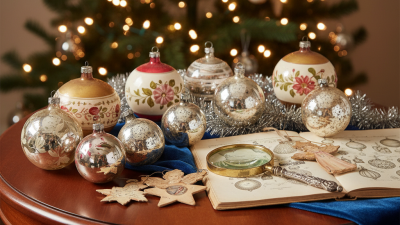
Identifying different types of antique Christmas ornaments can enhance your collection. Look for blown glass ornaments, which were popular in Europe. These delicate pieces reflect craftsmanship that is often unmatched today. Wooden ornaments, commonly handmade, offer a rustic charm. Many feature intricate carvings or unique paint jobs. Reports indicate that collectors favor these vintage wooden pieces for their historical significance.
Don't overlook the importance of condition when evaluating ornaments. Many antique ornaments show signs of wear, which can affect their market value. A small chip or fading paint may not deter all collectors, but serious buyers will scrutinize these details. Additionally, provenance adds to the allure. Ornaments with documented histories tend to sell at higher prices. It's crucial to research and validate the origin of your pieces.
How to Choose the Best Antique Christmas Ornaments for Your Collection?
| Type |
Material |
Era |
Features |
Approximate Value ($) |
| Glass Baubles |
Glass |
Victorian (1840-1900) |
Hand-painted, Reflector design |
20-50 |
| Tinsel Trimmed Ornaments |
Metal, Tinsel |
1920s-1940s |
Sparkly finish, Silvered back |
30-70 |
| Candy Containers |
Cardboard, Tin |
1890s-1910s |
Unique shapes, Openings for candy |
50-150 |
| Figural Ornaments |
Blown Glass |
1940s-present |
Specific characters, Realistic details |
25-100 |
| Shiny Brite Ornaments |
Glass |
1930s-1960s |
Vibrant colors, Standard bulb shapes |
10-30 |
Assessing the Quality and Condition of Antique Ornaments
When assessing the quality and condition of antique Christmas ornaments, it's essential to consider their physical state. Look for signs of wear, such as fading paint, scratches, or chips. A small chip might not be a deal-breaker, but extensive damage can affect value significantly. Pay attention to the ornament's finish. Is it still shiny or dulled over time? The shine reflects its care throughout the years.
Examining the material is equally important. Many antique ornaments are made of glass, tin, or even paper. Each material has its vulnerabilities. Glass ornaments might show cracks, while metal can corrode. If possible, handle items gently to feel their weight and texture. This tactile experience can help gauge their authenticity.
Documenting your findings can also be helpful. Take photographs to record detailed features. Note any peculiarities that make each piece unique. Remember to reflect on your assessments. No collection is perfect, and every piece has its story to tell. Embrace imperfections, as they often reveal the history behind these cherished decorations.
Researching Provenance and Authenticity of Antique Ornaments
When considering antique Christmas ornaments, provenance and authenticity are crucial. Research the ornament's history. Look for details like previous owners or where it was made. An ornament from a notable family can hold more value. Handwritten tags or unique markings add character but can be challenging to authenticate.
Networking with experts can enhance your understanding. Attend antique shows and join collector groups. Engaging in discussions can provide valuable insights. You may find that some ornaments have stories behind them that enhance their worth. However, this community isn't without pitfalls. Misrepresented items can slip by if you're not careful.
Take your time researching. Online databases and auction sites can be helpful, but don’t rely solely on them. It’s essential to cross-reference information and consult trusted sources. The allure of these ornaments often masks their true history. Being diligent can help you uncover remarkable treasures and avoid costly mistakes.
Caring for and Displaying Your Antique Christmas Ornaments Collection
Caring for antique Christmas ornaments requires attention to detail. Use soft cloths to gently clean them. Avoid harsh chemicals, as they can harm delicate surfaces. Store your ornaments in a cool, dry place. This helps to prevent moisture damage. Consider using acid-free tissue paper to wrap delicate items. This extra layer protects against scratching.
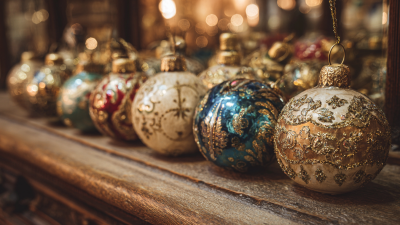
When displaying your collection, use non-reflective display cases. This reduces glare and enhances visibility. Arrange them with care, allowing each ornament to shine. Hang them with gentle hooks to avoid breakage. Remember to regularly dust your display. Even small particles can cause wear over time.
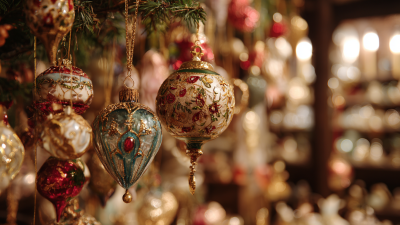
Reflect on your collection as it grows. Each ornament tells a story, carrying memories from the past. Embrace imperfections; they add character. Examine the wear on each piece. It reveals its journey and history. This appreciation deepens your connection with the ornaments.