What Are Christmas Baubles and What Types Are Available?
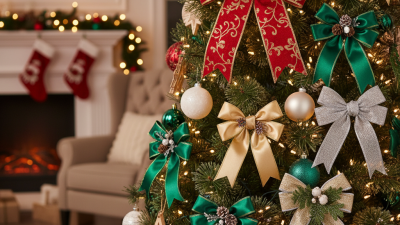
Christmas Baubles are among the most familiar decorations on a festive tree. They catch the light, add color, and often hold memories of celebrations past. A glass bauble may reflect a lamp in a warm living room, while a simple wooden one brings a quieter, handmade feel. Small details matter.
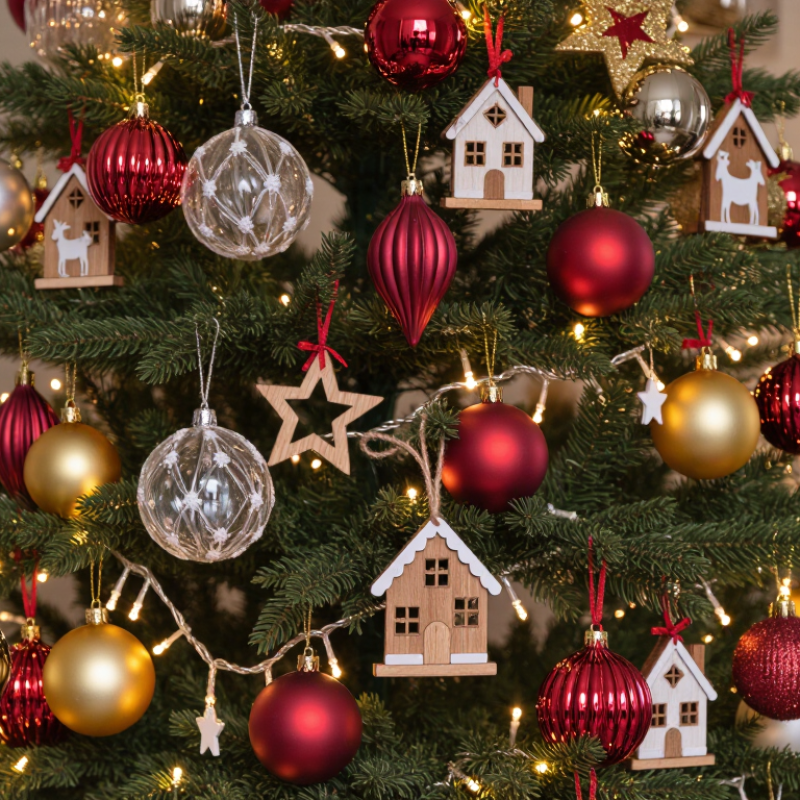
Baubles come in many materials, shapes, and finishes. Glass designs can be clear, painted, or delicately patterned, though they need careful handling. Plastic options are lighter and less likely to break, making them practical for busy homes. Wooden, metal, fabric, and paper baubles offer different textures and styles. Some are shaped like stars, animals, or miniature houses; others are classic spheres in smooth, matte, glittered, or mirrored finishes. There is a lot to choose from.
The right type depends on where and how you plan to display it. Consider the tree’s size, the weight of each ornament, and whether children or pets may reach the branches. A coordinated set can create a polished look, but mixing older keepsakes with newer pieces often feels more personal. It may not look perfectly matched. That can be part of its charm.
This guide explores what Christmas Baubles are and the main types available, including their materials, styles, and practical differences. With a little care, you can choose decorations that suit your space and last beyond one season.
Definition and Role of Christmas Baubles
Christmas baubles are decorative ornaments hung on a tree, wreath, or garland. The familiar round shape is only one option; baubles may also be teardrop-shaped, faceted, or hand-formed. They are made from glass, plastic, wood, metal, or fabric, with finishes ranging from clear and glossy to matte, painted, or textured. A glass ornament can catch a lamp’s warm glow, while a lightweight plastic one suits a busy household. Small details matter.
Their role is both visual and personal. Repeated colors can make a tree feel calm and coordinated; mixed shapes and family keepsakes create a more collected look. Baubles also fill gaps between branches, adding sparkle and depth without changing the tree itself. They are not essential, of course. Still, choosing where each one hangs can turn decorating into a small seasonal ritual.
The National Retail Federation’s 2024 holiday survey estimated that consumers planned to spend an average of $902 on gifts, food, decorations, and other seasonal items. That figure covers much more than ornaments, but it shows how decorations fit into a wider holiday-spending basket.
One practical caution: heavy baubles can pull down thin branches, and fragile glass needs careful placement. A perfect-looking tree is not always the most welcoming one.
Origins and Development of the Christmas Bauble
Decorated Christmas trees became popular in parts of Germany before spreading more widely across Europe. Early decorations often used apples, nuts, and small handmade objects. They were simple, seasonal, and sometimes edible. Glassblowers in Lauscha, a town in central Germany, helped shape the bauble’s familiar form during the nineteenth century. The exact beginnings are not perfectly documented, so a single inventor is difficult to name.
Local glassworkers made hollow glass ornaments by shaping hot glass on a blowpipe. Some were painted or coated to catch candlelight, giving branches a gentle shimmer. Tradition says glass apples offered an alternative when fruit was scarce, though the story is hard to verify. The bauble’s history is a little untidy.
As Christmas tree customs travelled, glass ornaments reached new households and markets. Improved transport and manufacturing made them more widely available by the late nineteenth and early twentieth centuries. Later, lighter materials such as moulded plastic offered a sturdier option for busy homes. Today, baubles may be hand-blown glass, metal, wood, or plastic, with finishes ranging from clear and plain to richly painted. A small scratch or uneven stripe can remain visible on a handmade ornament; that flaw may tell us more about its making than a perfect surface does.
Materials and Methods Used to Make Baubles
Bauble materials shape their weight, shine, and durability. Glass ornaments are commonly made by heating glass tubes, blowing them into spheres, then silvering or coating the inside. The result is a bright, reflective finish, but thin glass can crack if dropped. Molded glass offers more detailed shapes. Plastic ornaments are often injection-molded, then painted or coated; they are lighter and less fragile, though surface finishes may scratch. Wood, paper, and fabric offer softer textures. Small details matter: a rough seam or loose hanging cap can shorten an ornament’s life.
Production choices affect what happens after the holidays. FEVE, the European Container Glass Federation, reported an approximately 80% recycling rate for glass packaging in the EU in 2022. That figure concerns packaging, not baubles, so it should not be applied directly to ornaments. PlasticsEurope reported global plastics production of 413.8 million tonnes in 2023, illustrating the scale of plastic use, but not the share used for decorations. Plastic baubles with mixed materials, glitter, or bonded coatings may be difficult to sort. A plain glass ornament may be recyclable where local facilities accept it, but decorative coatings can complicate processing. Honestly, “recyclable” does not always mean “recycled.” Choosing durable materials and storing ornaments carefully can prevent breakage and unnecessary replacement.
Common Types of Christmas Baubles
Common Types of Christmas Baubles
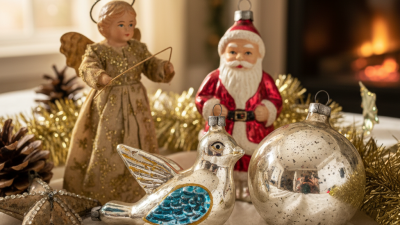
Glass baubles bring a crisp shine and fine detail to a tree. They may be clear, painted, or molded into familiar shapes, such as stars and birds. Their main drawback is fragility: a dropped ornament can break, so hang delicate pieces higher and away from busy walkways. Plastic baubles are lighter and generally more resistant to breakage. They suit homes with children or pets, though thin coatings can scratch or fade over time. “Shatter-resistant” is useful, not indestructible.
Wooden, metal, and fabric baubles offer different textures. Wood feels warm and matte; metal catches bright points of light; fabric ornaments, often stitched or padded, feel soft against fir branches. Handmade paper baubles can add color without much weight, but moisture may warp them. Mix finishes thoughtfully. Too many reflective surfaces can make a small tree look busy.
The National Retail Federation’s 2024 holiday survey estimated average seasonal spending of $902 per consumer on gifts, food, decorations, and other items. That figure covers much more than ornaments, but it helps explain why baubles come in varied materials and price ranges. When choosing, check the hanging loop, surface finish, and stated care instructions. A plain set can be more useful than it looks. Keep a few sturdy pieces near the lower branches, and reserve fragile glass for quieter corners.
What Are Christmas Baubles and What Types Are Available?
Christmas baubles are decorative ornaments hung on a Christmas tree. Common types include glass, shatter-resistant plastic, and miniature or oversized baubles. This chart compares representative diameters for common ornament size classes; actual sizes vary by maker.
Representative diameters: miniature 1.5 in, small 2 in, standard 3 in, large 4 in, and oversized 6 in. These are common examples, not fixed industry standards.
Bauble Styles, Finishes, Sizes, and Uses
Christmas baubles range from smooth glass spheres to carved wood, woven forms, and lightweight plastic designs.
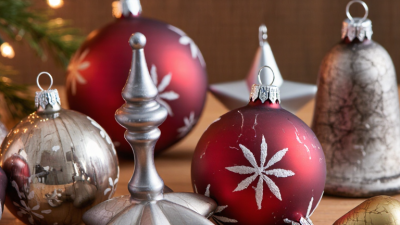
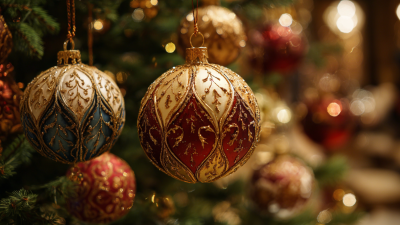
Glossy finishes catch tree lights, while matte, frosted, and brushed-metal surfaces create a softer look. Hand-painted details suit a collected, traditional style; simple shapes fit cleaner, modern displays. Mixing finishes adds texture, though too many competing colors can make a tree feel busy. Small details matter.
Size affects both balance and placement. Try 3–5 cm baubles on slim branches or tabletop trees, and reserve 8–10 cm pieces for stronger outer branches. Hang heavier glass ornaments closer to the trunk, where branches offer more support. The American Christmas Tree Association’s 2023 survey estimated that 94 million U.S. households displayed a Christmas tree in 2022. That wide use helps explain why ornaments come in varied materials, sizes, and price points.
Baubles can also mark a theme, frame a mantel display, or fill a clear bowl as a simple centerpiece. For homes with pets or young children, place fragile ornaments higher and choose shatter-resistant pieces below. The U.S. Consumer Product Safety Commission reported about 14,900 emergency-room-treated injuries connected with holiday decorating in November and December 2022. This figure covers decorating broadly, not bauble injuries alone. I still find that a slightly uneven arrangement can feel more personal than a perfectly matched tree.