Leave Your Message

10 Tips for Buying Antique Christmas Ornaments

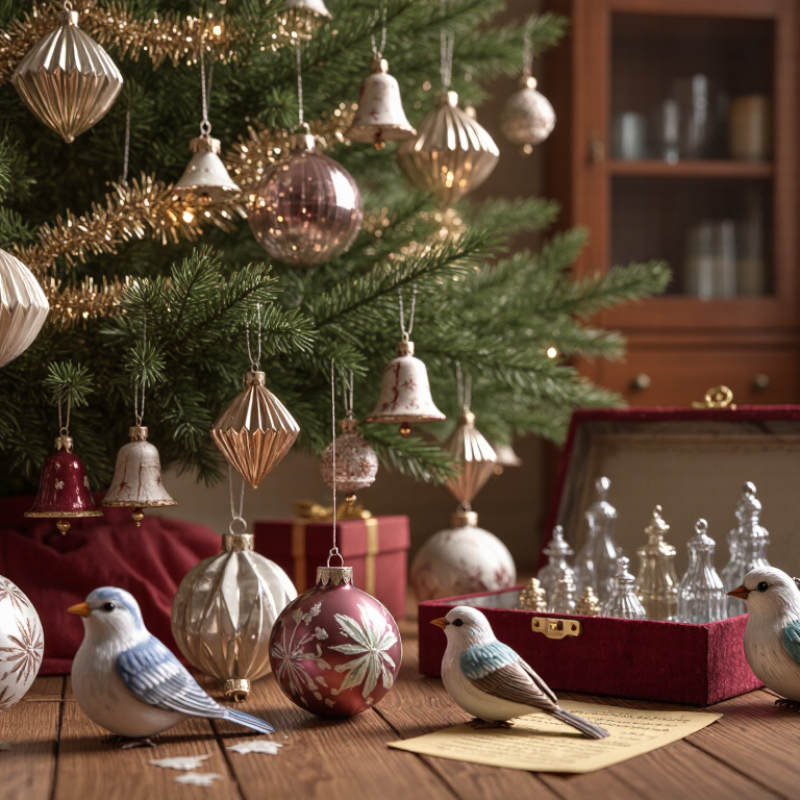
Antique Christmas Ornaments can make a tree feel as if it has kept its own small history. A hand-painted glass ball, a faded paper reflector, or a tiny clip-on bird may carry signs of age that newer decorations imitate. But age alone does not prove value. Condition, materials, maker’s marks, and credible provenance all deserve a closer look.

Antiques appraiser Dr. Lori Verderame is a recognized source of general antiques expertise, though no verified quotation from her on this specific topic is offered here. A useful guiding line for this article is: “Look closely before you fall in love.” It is an editorial reminder, not a quotation attributed to Verderame. Check the cap, hanger, paint, and seams. Look for repairs, replacement parts, and wear that makes sense for the object. Ask sellers what they know, and request clear photographs when buying remotely. Keep the receipt and any documented history.

Small details matter. A chipped corner may be honest wear, or a sign that the piece needs careful handling. Not every old ornament is rare. And a beautiful one can still be the right choice. This guide shares ten practical tips for buying Antique Christmas Ornaments with curiosity, patience, and a healthy willingness to pause. Collecting is not an exact science. Sometimes, the best lesson comes from a purchase you would inspect more carefully next time.
10 Tips for Buying Antique Christmas Ornaments

Understanding Age, Materials, and Antique Ornament Styles

Antique Christmas ornaments can reveal their age through construction, materials, and wear, but no single clue proves a date. Older glass examples may have uneven shapes, visible mold seams, or small openings at the neck. Their surfaces can show gentle fading rather than uniform, factory-like color. Age clues are imperfect. A careful inspection matters more than a seller’s confident story.

Tip: Check the cap and hanger. A simple metal cap, worn wire, or handmade attachment may support an older date, though parts can be replaced. Look closely at the material, too. Blown glass feels delicate and may have tiny bubbles; paper, wood, and cotton batting ornaments often show hand-cut edges or brush marks. Early styles range from reflective glass shapes to painted figures and modest folk-art designs. Don’t assume every shiny ornament is antique.

Tip: Compare details before buying. Note the ornament’s weight, finish, seams, and wear, then ask about its history and any repairs. A faint scratch can be honest evidence of use; fresh glue or a new hanger may change the picture. Avoid harsh cleaning, which can lift paint or dull fragile finishes. Some pieces look less impressive under bright shop lights. That’s worth considering. A photograph in natural light may help you judge color and condition more calmly.
Examining Craftsmanship, Condition, and Signs of Restoration

Look closely at how an antique Christmas ornament was made. Hand-painted lines may vary slightly, while molded glass can show a fine seam. Check the metal cap, too: a loose fit or fresh-looking wire may signal later replacement, though neither proves the ornament is inauthentic. Tip: Use a small flashlight to reveal paint texture and hairline cracks. Tiny details matter.

Condition affects both appearance and handling. Examine the neck, hooks, and raised areas, where chips often hide. A little paint loss can be consistent with age; broad flakes, cloudy patches, or a sticky surface deserve closer attention. Ask to handle the piece gently, and avoid lifting it by its cap. I still find condition hard to judge from photographs alone. That uncertainty matters.

Restoration can be subtle. Look for unusually bright paint, a sharp boundary between old and new color, or adhesive near a crack. Replacement caps and repaired hanging loops may be reasonable, but sellers should describe them clearly. Tip: Compare the ornament under natural light, then ask what has been repaired and when. A polished finish is not automatically suspicious, and an old-looking surface is not proof of originality. Trust specific observations over a confident story.

Verifying Authenticity, Provenance, and Seller Reputation

Antique Christmas ornaments reward close inspection, but age alone proves little. Check the cap, hanging loop, seams, paint wear, and mold marks under soft light. Ask for clear photographs of the front, back, cap, and any label. Request provenance in writing: previous owners, approximate purchase dates, receipts, estate paperwork, or old inventory notes. Paper trails can be incomplete. Treat gaps as uncertainty, not automatic proof of fraud. The Art Basel and UBS Art Market Report 2024 estimated global art sales at $65 billion in 2023, down 4% from 2022. That broad figure cannot authenticate an ornament, but it reminds buyers that market context is not object-level evidence.

Check whether the seller’s description matches the photographs and whether they answer specific questions consistently. Look for a clear return policy, a history of selling comparable antiques, and reviews that describe actual transactions. The FTC’s Consumer Sentinel Network Data Book 2023 recorded 2.6 million fraud reports and $10 billion in reported losses. Those figures cover many types of fraud, not antiques specifically; still, careful seller checks are sensible. Save the listing and messages. If a seller cannot explain a strikingly old-looking finish, pause before buying. Even experienced collectors can mistake wear for age, so seek an independent appraisal when the price depends on a narrow dating claim.

10 Tips for Buying Antique Christmas Ornaments — Verifying Authenticity, Provenance, and Seller Reputation
No. Buying Tip What to Check Useful Evidence or Next Step
1 Research the ornament type Learn the common materials, construction methods, shapes, and decoration styles associated with the period being claimed. No single feature reliably proves age. Compare the piece with reference books, museum collections, and well-documented examples. Treat broad style similarities as clues, not proof.
2 Inspect the glass and finish Look closely at the surface, color, paint, glitter, and reflective interior. Handwork and wear can be informative, but new finishes or intentional distressing can imitate age. Request clear, close-up photographs in neutral light. Ask whether any paint, finish, or other part has been restored or replaced.
3 Examine the cap and hanger Check how the cap, wire, and ornament body fit together, and look for signs of replacement, repair, or inconsistent wear. Cap style alone does not establish a date. Ask the seller to photograph the top, attachment point, and interior where visible. Have unusual construction compared with reliable reference examples.
4 Assess wear honestly Distinguish natural wear from damage. Chips, cracks, paint loss, and corrosion affect condition and value; artificial aging may look unusually uniform or appear in protected areas. Request photographs of the entire ornament and any flaws. Make sure the written condition description identifies repairs and losses.
5 Ask for provenance Provenance is the documented history of ownership. A family story can add context, but it is not the same as independent documentation. Ask for dated receipts, estate records, old photographs, or other records that connect the ornament to a prior owner or collection. Check that the timeline is plausible.
6 Verify claims about age and origin Treat specific claims such as a maker, country of origin, or exact decade as claims that need support. Similar ornaments may have been produced over many years. Ask what the attribution is based on and whether it is documented or an estimate. Prefer precise wording that explains uncertainty over unsupported certainty.
7 Compare the asking price Price depends on factors such as age, rarity, condition, workmanship, and documented history. Asking prices are not the same as completed sale prices. Compare recent completed sales of genuinely similar pieces, including condition and size. Be cautious of unusually low prices paired with strong authenticity claims.
8 Review the seller’s track record Look for a consistent history of describing collectibles accurately, providing detailed photographs, and responding clearly to questions. Read recent, specific buyer feedback and check how the seller handles disputes or returns. Do not rely only on a high rating or polished listing.
9 Confirm return and shipping terms Fragile glass can be damaged in transit, and return rules may vary. Confirm who bears the risk if an item arrives broken or differs materially from its description. Get the return window, refund terms, and shipping arrangements in writing. Ask for protective packaging and keep the listing and payment records.
10 Buy with evidence, not pressure Scarcity claims, countdowns, and statements such as “guaranteed antique” do not authenticate an ornament. Pause if the seller will not answer reasonable questions. For a costly or consequential purchase, seek an independent opinion from a qualified antiques specialist before paying. Keep all descriptions and provenance documents.

Comparing Prices and Setting a Realistic Budget

Antique ornament prices can vary sharply, even when two pieces look similar. Compare ornaments of the same material, size, age range, and condition. A small glass ball with worn paint should not be priced like a larger, well-preserved example with clear provenance. Check several recent sales, not just asking prices. Listings can linger at unrealistic amounts.

Look closely at photographs. Paint loss around the cap, a hairline crack, or a bent hook can change value. Ask for close-ups and measurements when details are missing. I would also compare the seller’s description with visible wear. Descriptions are not always precise. That matters.

Set a firm spending limit before browsing. Include shipping, taxes, and any display or storage supplies in your budget. For example, if your total limit is $120, you might reserve $90 for the ornament and keep the rest for added costs. Leave room for a piece you genuinely love, but avoid stretching your budget over a minor bidding rush. I might still make that mistake with a vivid hand-painted design. It is easy to confuse charm with rarity. A written price ceiling helps keep the choice grounded.

Buying Safely and Caring for Your Ornaments

Before buying, inspect antique Christmas ornaments in bright, indirect light. Look for hairline cracks, loose caps, cloudy glass, and repairs hidden under paint. Ask the seller about age, materials, storage history, and any restoration. Request clear photographs and a written condition description. Small details matter. A repaired ornament can still be meaningful, but its price and handling needs should reflect its condition. I would not rely on age alone as proof of authenticity.

Choose sellers who allow careful inspection and explain their return terms. At home, handle each piece over a padded surface, using clean, dry hands. Store ornaments separately in divided boxes with acid-free tissue; avoid pressure on thin glass and metal caps. Keep them away from direct sunlight, dampness, and heat sources. Keep it gentle. The National Fire Protection Association’s 2022 report found an average of 790 U.S. home fires per year involving holiday decorations, excluding Christmas trees, during 2016–2020. That figure does not isolate ornaments, but it supports keeping decorations clear of candles, heaters, and other heat. I still find that “safe storage” can become too complicated; a stable shelf, soft padding, and a quick condition check before hanging are often the practical essentials.