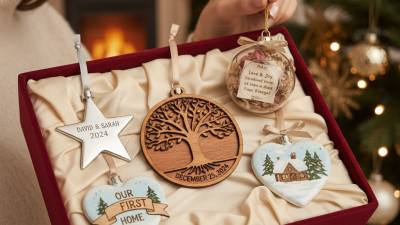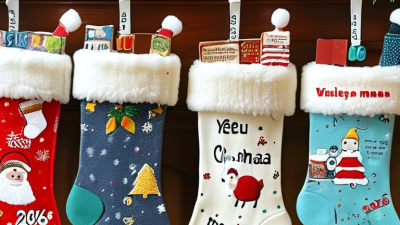
Personalized Christmas Ornaments are becoming practical holiday products for wholesale buyers, not merely decorative keepsakes. Retailers want ornaments that carry names, dates, family messages, or local identity. They also need dependable production, clear pricing, and attractive packaging. A beautiful sample means little if the final batch arrives late or shows uneven engraving.
B. Joseph Pine II, a leading authority on mass customization, said, “Mass customization is the new frontier in business competition.” His observation fits the ornament market closely. Personalized Christmas Ornaments allow wholesalers to offer emotional value while managing repeatable production. A wooden name ornament may suit a family boutique, while a ceramic photo design may fit a premium gift store. Small details matter. Font size matters. Even the ribbon color can influence perceived quality.
This guide examines leading ornament styles for wholesale purchasing, including engraved wood, printed ceramic, acrylic, metal, and custom logo designs. It considers minimum order quantities, customization methods, packaging strength, color consistency, and seasonal delivery schedules. Buyers should inspect samples before placing larger orders. That step is easy to skip. It can also prevent expensive disappointment.
Some trends deserve caution. Highly detailed artwork may look impressive online but lose clarity on a small ornament. Glitter can attract attention, yet it may create handling concerns during shipping. Sustainable materials sound valuable, but vague claims require verification. The strongest wholesale choice is not always the most elaborate one. It is the design that balances warmth, durability, price, and reliable production.

Understanding personalized Christmas ornaments starts with the buyer, not the decoration. Wholesale customers want emotional value, reliable production, and manageable costs. Grand View Research reports that the global personalized gifts market could grow at a 9.6% compound annual rate from 2023 to 2030. This signals demand for products that feel personal, especially during seasonal shopping.
The opportunity is practical. The National Retail Federation’s 2023 holiday survey estimated $75.1 billion in planned spending on seasonal decorations in the United States. Wholesale buyers should examine name accuracy, engraving depth, color consistency, and attachment strength. A readable surname matters more than excessive ornament detail. Short names are easy. Long family names expose design weaknesses.
Production planning needs equal attention. Confirm artwork approval, minimum order quantities, sampling costs, and realistic lead times before ordering. Use batch photos and random inspections for quality control. Packaging should protect painted surfaces and small hanging parts during shipping. Personalization also creates data responsibilities, so suppliers should limit access to customer names and delete files when no longer needed. A perfect sample proves little. I have seen attractive prototypes fail through uneven lettering or late delivery. That risk deserves a written correction plan, not optimistic promises. Small imperfections may remain, but buyers should know which ones are acceptable.

Understanding Personalized Christmas Ornaments for Wholesale Buyers
U.S. average holiday spending remained above $900 per person in 2024, indicating strong seasonal purchasing capacity for personalized gift and décor products. Wholesale buyers can use this trend to plan ornament collections featuring names, dates, family messages, and milestone themes.
Data source: National Retail Federation annual holiday consumer surveys; average planned holiday spending per person in the United States.
Top Personalized Christmas Ornaments for Wholesale Buyers
Wholesale buyers usually compare ornament types before discussing decoration. Wooden ornaments offer a warm, lightweight option for gift shops and family-focused collections. Acrylic pieces provide sharp colors, clear edges, and flexible shapes. Metal ornaments feel more durable and suit premium seasonal displays. Ceramic ornaments add weight and a handcrafted appearance, but they require protective packaging. Fabric ornaments are soft, safe for children, and easy to ship.
Customization should match the material. Wood works well with laser engraving, painted names, and simple cutout shapes. Acrylic supports full-color printing, transparent layers, and frosted effects. Metal accepts stamped patterns, enamel colors, and raised details. Ceramic allows printed artwork, hand-painted accents, and custom silhouettes. Buyers can also adjust size, hanging cord, backing cards, and retail packaging. Small details matter.
In wholesale sampling, always check color consistency under warm and cool lighting. Test the hanging loop with repeated movement. Ask for production samples before approving a large order. I have found that intricate designs often look attractive on screen but lose clarity at smaller sizes. That mistake is easy to miss. Confirm artwork dimensions, surface finish, packing strength, and replacement policies in writing. A lower unit price may not help if breakage, uneven printing, or delayed packing damages the selling season.
Top Personalized Christmas Ornaments for Wholesale Buyers
Material choices shape both appearance and customer trust. Glass ornaments offer clarity and a bright, traditional finish. They also need careful packing because thin surfaces can chip during transport. Wood provides warmth and resists minor impacts. However, uneven grain may affect printed personalization. Ceramic feels substantial, but its weight can increase shipping costs. Recycled materials can support sustainability goals, though their color may vary between production batches.
Wholesale buyers should request a physical sample before approving large quantities. Check the surface, edges, hanging loop, and personalization under normal lighting. Text should remain sharp, centered, and easy to read. Small names expose weak printing quickly. The finish should not feel sticky or shed visible particles. A basic quality process should include color checks, dimension measurements, adhesion testing, and carton inspection. Keep written tolerances for size and color. Guesswork causes disputes.
Production standards matter beyond the ornament itself. Confirm the material specification, decoration method, curing time, and packaging design. Ask how rejected pieces are separated and recorded. A reliable supplier should provide batch identification and clear inspection records. Still, no production line is flawless. Minor variation can appear in handmade or natural materials. That point deserves honest communication, not hidden promises. Buyers should also review pre-shipment photos and test a packed carton. A beautiful sample means little if several pieces arrive damaged.
| Ornament Type | Primary Material | Common Size & Weight | Personalization Method | Quality Requirements | Production Standards | Typical Wholesale MOQ | Typical Lead Time | Recommended Packaging |
|---|---|---|---|---|---|---|---|---|
| Personalized Ceramic Disc | Glazed ceramic or porcelain | 7–9 cm diameter; approximately 45–80 g | Digital transfer print, decal, or hand-painted text | Even glaze, smooth edges, centered artwork, no visible pinholes or cracks | Lead and cadmium limits should be verified for decorative coatings; kiln firing must be consistent | 100–300 units | 25–40 days after artwork approval | Individual kraft carton with molded or die-cut protective insert |
| Engraved Wood Ornament | Birch plywood, beech, or sustainably sourced hardwood | 8–10 cm diameter; approximately 15–35 g | Laser engraving, UV printing, or cut-out lettering | Smooth sanding, clean engraving, stable moisture content, no sharp splinters | Wood should be free from excessive warping; coatings should be tested for restricted substances where required | 100–500 units | 15–30 days after artwork approval | Recyclable paper sleeve or small kraft box with paper padding |
| Acrylic Photo Ornament | Clear or colored acrylic sheet, typically 2–3 mm thick | 7–10 cm; approximately 20–45 g | UV printing, sublimation, or printed insert | Transparent surface, accurate color, polished edges, scratch-resistant protective film | Edges should be free from burrs; inks and plastic materials should meet applicable chemical safety requirements | 100–300 units | 12–25 days after artwork approval | Protective film, polybag or paper wrap, and crush-resistant carton |
| Metal Nameplate Ornament | Aluminum, stainless steel, or zinc alloy | 6–9 cm; approximately 25–70 g | Laser engraving, etching, enamel fill, or stamping | Uniform plating, legible text, secure hanging hole, corrosion-resistant finish | Coating adhesion and corrosion resistance should be checked; sharp edges must be removed | 100–500 units | 20–35 days after artwork approval | Individual polybag or paper pouch with dividers to prevent scratching |
| Felt or Fabric Character | Polyester felt, cotton fabric, or recycled textile fill | 8–12 cm; approximately 15–40 g | Embroidery, heat transfer, printed patch, or sewn label | Tight stitching, secure seams, colorfast fabric, evenly distributed filling | Small components must be securely attached; flammability and textile chemical requirements should be reviewed for the destination market | 300–1,000 units | 25–45 days after artwork approval | Paper header card with recyclable bag or individual carton |
| Glass Photo Ornament | Clear soda-lime glass or tempered glass | 7–10 cm; approximately 50–120 g | Direct digital print, sublimated insert, or engraved surface | No chips or cracks, smooth perimeter, stable print adhesion, securely fitted hanger | Impact protection is essential; glass handling, breakage inspection, and packaging drop tests are recommended | 100–300 units | 25–45 days after artwork approval | Molded pulp insert or foam protection inside a rigid individual box |
| Polyresin Figurine | Painted polyresin or stone-resin composite | 6–10 cm; approximately 60–180 g | Molded nameplate, hand painting, or printed base | Stable base, consistent paint coverage, low flash, securely attached decorative parts | Restricted-substance testing may be required; paint adhesion and small-part attachment should be inspected | 300–1,000 units | 30–50 days after artwork approval | Custom molded insert or expanded paper protection in a rigid carton |
| Paper or MDF Layered Ornament | Layered paperboard, medium-density fiberboard, or wood fiberboard | 8–12 cm; approximately 20–60 g | Digital print, die cutting, foil stamping, or printed personalization | Accurate layer alignment, clean die cuts, strong adhesive bonds, moisture-resistant finish | Paper weight and recycled content should be specified; inks and adhesives must be suitable for the intended market | 300–1,000 units | 15–30 days after artwork approval | Flat-packed paper sleeve, carton divider, or recyclable mailer |
Wholesale quality note: Dimensions, weights, minimum order quantities, and lead times are typical planning ranges and should be confirmed against the final design, destination-market regulations, approved sample, packaging specification, and inspection plan.
Top Personalized Christmas Ornaments for Wholesale Buyers
Personalized ornaments sell best when suppliers balance design flexibility, dependable quality, and realistic pricing. McKinsey’s consumer research found that 71% of customers expect personalized interactions. However, 76% become frustrated when personalization feels inaccurate or unavailable. This supports offering names, dates, short messages, and several color options. Buyers should request physical samples before approving bulk production. Check print sharpness, lettering alignment, coating durability, and hanging strength. Small defects become expensive across thousands of pieces. Ask for samples.
Pricing requires more than the unit quotation. Compare decoration fees, mold charges, packaging, inspection costs, freight, and import duties. The National Retail Federation forecast 2024 U.S. holiday sales at $979.5–$989 billion, showing strong seasonal demand but also intense competition. Suppliers may offer lower prices at higher quantities, yet large MOQs can trap cash after December. A practical starting point is 100–300 units per design, subject to factory capacity and product complexity. Confirm whether different names count as separate designs. Some suppliers charge setup fees for each variation. Numbers matter.
Request three price tiers, such as 100, 500, and 1,000 units. Compare landed cost, not just the factory price. Also verify production lead time, replacement policy, and documented quality checks. The ISO 9001 quality framework emphasizes consistent processes and corrective action, useful criteria when evaluating unfamiliar suppliers. A supplier promising extremely low prices may still be costly if revisions arrive late. My own purchasing assumption would need testing here: smaller MOQs reduce inventory risk, but they can weaken customization economics. Reliable buyers negotiate a written sample approval and a clear shipment schedule.
Wholesale buyers should match personalized Christmas ornaments to the customers they serve.
Gift shops often prefer names, dates, and local symbols. These details create an emotional purchase at the shelf.
Tourist markets need lightweight designs that travel safely. Wooden landmarks, map shapes, and regional colors can work well.
However, avoid crowded artwork that becomes unclear on a small ornament. I have found that buyers often underestimate packaging space. A protective box may raise costs, but it can reduce breakage and returns.
Garden centers usually sell rustic ornaments with natural textures and muted colors. Online sellers may need brighter photos and simple personalization options. Corporate buyers often request consistent logos, neutral designs, and dependable delivery dates.
Ask about minimum order quantities before choosing a supplier. Request samples, inspect the print edges, and test the hanging loop. Small faults become expensive across hundreds of pieces.
Check material descriptions carefully.
Confirm finish quality, color consistency, and packaging standards. Reliable suppliers should provide clear production timelines and replacement terms.
Lead times matter more than attractive sample photos. A delayed seasonal shipment may miss the selling window entirely.
I once focused too heavily on design variety and ordered too many slow-moving styles. That mistake taught me to compare sales channels, price points, and reorder potential. Keep the first order focused. Leave room for adjustment.