Top Trends for 2026 Christmas Baubles You Need to Know?
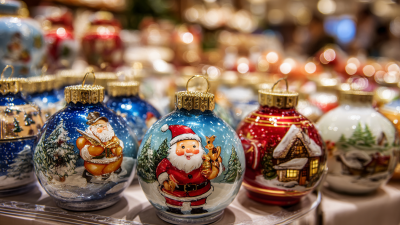
As the festive season approaches, the demand for Christmas Baubles is on the rise. According to industry reports, the global ornament market is projected to grow by 15% annually. This surge highlights the importance of staying updated on trends. Industry expert, Dr. Emily Carter, emphasizes, "Innovative designs in Christmas Baubles redefine traditions."
In 2026, consumers will seek personalization in their decorations. Unique color schemes and eco-friendly materials are becoming essential. Shoppers are more conscious of sustainability than ever before. The desire for hand-crafted baubles reflects a deeper connection to the holiday spirit.
However, brands must carefully navigate these trends. Oversaturation of similar designs can lead to market fatigue. Relying solely on past successes without innovation may hinder growth. As we approach this bustling season, understanding these dynamics will be crucial for anyone in the Christmas Baubles industry.
Key Design Trends in Christmas Baubles for 2026
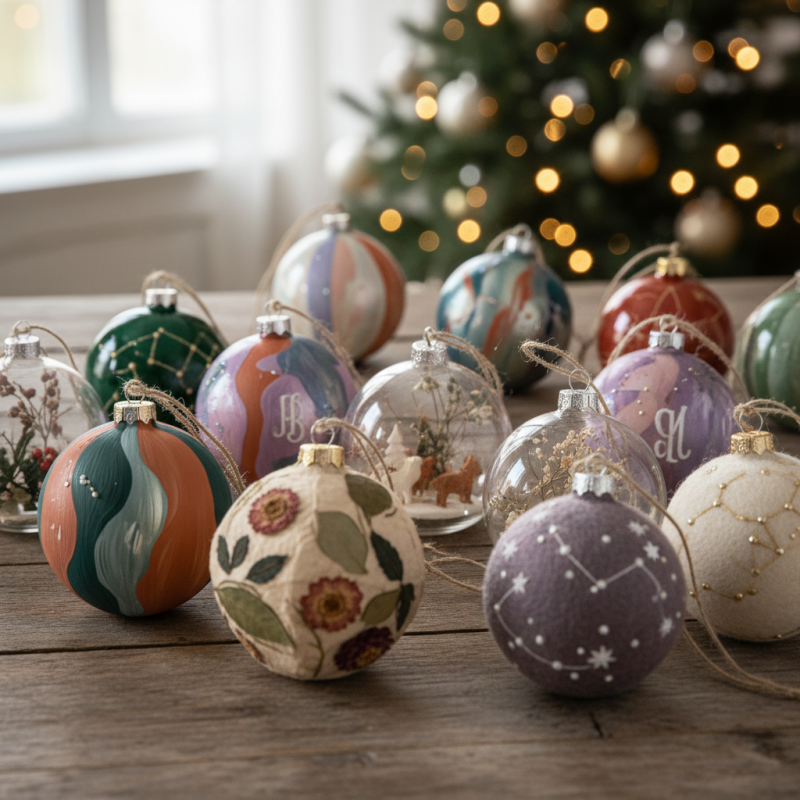
As we look ahead to Christmas 2026, design trends for baubles are evolving. One prominent direction is sustainability. Decorations made from recycled materials are gaining traction. These eco-friendly options appeal to consumers who prioritize environmental responsibility. Expect to see baubles crafted from natural fibers, such as jute or bamboo, incorporating earthy tones.
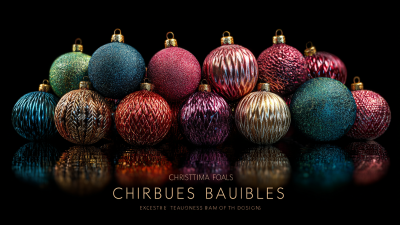
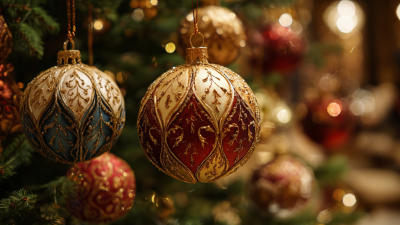
Color palettes are also shifting. We can expect deep greens, rich blues, and vibrant reds. These shades provide a classic yet modern feel, perfect for holiday displays. Some designs will feature metallic accents, adding a touch of glamour. Intricate patterns and textures may emerge, allowing for more individuality.
A focus on personal stories is becoming significant. Baubles that tell a story will attract more attention. Look for customizable options, where buyers can engrave names or messages. This trend reflects a desire for connection and memory-making. However, it raises questions about whether mass production will compromise uniqueness. These evolving trends showcase a blend of tradition and contemporary influence, shaping the Christmas spirit for a new era.
Sustainable Materials: Eco-Friendly Options in Bauble Production
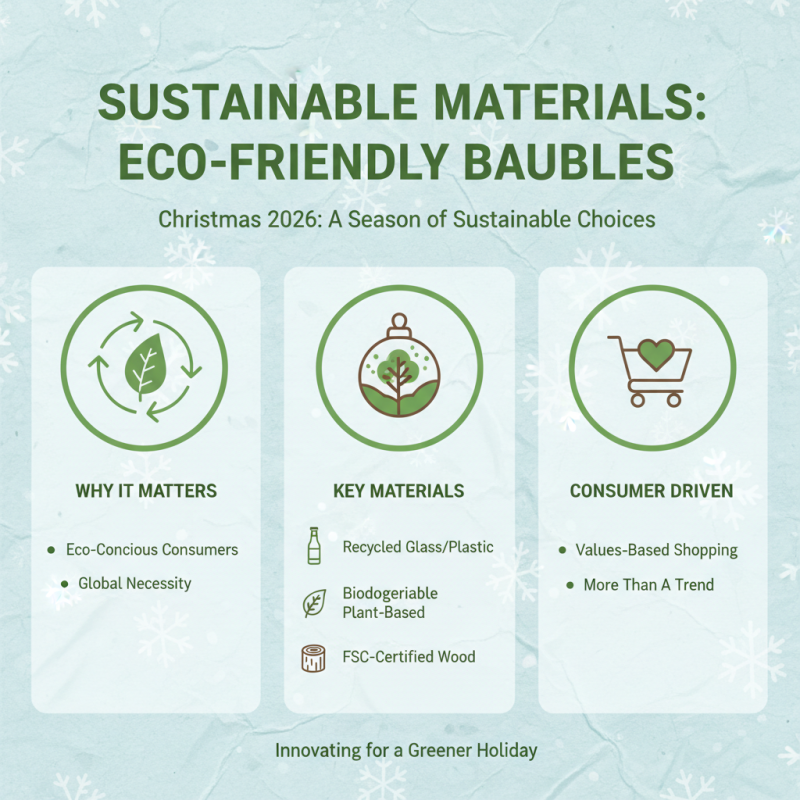
As we approach Christmas 2026, sustainability is taking center stage in bauble production. Eco-friendly materials are becoming crucial for the holiday season. Many consumers are seeking ornaments that reflect their values. This shift towards sustainability means more than just a trend; it’s a necessity.
Innovative materials like recycled glass and bamboo are gaining popularity. These options reduce waste and lessen our environmental impact during the festive season. Natural dyes are now used to create vibrant colors without harmful chemicals. Yet, the shift toward these materials brings challenges. Not all suppliers uphold the same standards of sustainability, leaving consumers questioning their choices.
Finding truly eco-friendly baubles requires research and awareness. The market is filled with products claiming to be sustainable. However, the definitions of sustainability vary. Look for certifications that ensure the product's eco-credentials. Customers deserve transparency to make informed decisions. With every ornament chosen, there’s an opportunity to promote a greener future.
Innovative Technologies Influencing Bauble Designs
As we look towards Christmas 2026, innovative technologies are transforming bauble designs. Smart materials will play a key role. These materials can change color or texture based on surrounding conditions. Imagine a bauble that sparkles in the sunlight but shifts to a cozy matte feel indoors.
Augmented reality (AR) is another exciting trend. AR will allow users to visualize baubles on their trees before purchase. This interaction enhances the customer experience and makes shopping more enjoyable. Users can see how different designs complement their holiday decor.
Sustainability will also influence bauble designs. Biodegradable or recycled materials will emerge as popular choices. People are becoming more environment-conscious. This trend encourages manufacturers to innovate responsibly. Yet, as these technologies advance, there may be questions about durability and true eco-friendliness. The future holds promise, but careful reflection is necessary to balance innovation with sustainability.
Color Palettes and Themes That Will Dominate Christmas Decor
As we look ahead to the 2026 Christmas season, color palettes and themes are set to evolve. Vibrant earth tones will take center stage. Shades of terracotta and olive green will blend beautifully with neutral tones. This creates a warm, inviting atmosphere. It’s a perfect choice for those seeking a cozy holiday vibe.
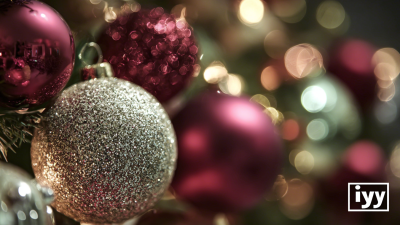
In contrast, metallic accents will make a strong statement. Gold, silver, and copper will be popular for baubles, creating a luxurious touch. These metallics mix well with rich jewel tones, like deep burgundy and sapphire blue. This combination adds a festive dynamism. It’s an opportunity for decorators to explore bold contrasts in their arrangements.
Nature-inspired themes will also gain traction. Think of wooden elements paired with natural twine. This trend suggests a return to simplicity and authenticity. Using handcrafted ornaments can reflect personal stories. It's an ideal way to cherish memories. However, this focus on natural materials raises questions about sustainability. Balancing aesthetic appeal with ecological responsibility may require thoughtful choices.
Top Trends for 2026 Christmas Baubles
Cultural Influences Shaping Christmas Bauble Trends in 2026
As we approach the festive season of 2026, cultural influences will significantly shape Christmas bauble trends. Many people draw inspiration from local traditions and histories. This mix of global customs will manifest in unique decorations. The color palette will reflect regional festivities—vibrant reds and greens in some areas, while others embrace minimalist designs in monochromes.
Artisans are weaving narratives into baubles. Handcrafted pieces will emphasize craftsmanship and cultural stories. Each ornament could tell a tale, bridging generations. The rise of eco-consciousness will also be evident. Sustainable materials, such as recycled glass or biodegradable options, are becoming more popular. This reflects a growing awareness around environmental impact.
However, this shift poses challenges. The balance between tradition and modernity can sometimes lead to clashes within communities. Some might feel that new trends dilute original meanings. Observing these dynamics will be crucial in understanding the future of Christmas bauble designs. The conversation around cultural representation will continue to gain importance, ensuring that every ornament holds true significance.
Top Trends for 2026 Christmas Baubles You Need to Know
| Trend |
Description |
Cultural Influence |
Color Palette |
Material |
| Eco-Friendly Designs |
Emphasis on sustainable materials and biodegradable options. |
Growing awareness of environmental impacts. |
Earthy tones, greens, and natural colors. |
Recycled glass, wood, and natural fibers. |
| Retro Revival |
Inspiration from 70s and 80s designs, featuring nostalgic motifs. |
Nostalgia for simpler times and vintage aesthetics. |
Vibrant reds, oranges, and yellows. |
Glass and plastic with shiny finishes. |
| Minimalist Elegance |
Simple, clean designs focusing on shape and form. |
Influence from modern design trends. |
Monochrome palettes with metallic accents. |
Matte and metallic finishes on glass. |
| Cultural Fusion |
Baubles that incorporate designs from various cultures. |
Globalization and cultural exchange. |
Bold colors reflecting diverse heritages. |
Mixed materials highlighting various traditions. |
| Interactive Baubles |
Enhanced with technology for interactive features. |
Technology's integration into everyday items. |
Tech-inspired colors with bright illuminations. |
Mixed materials with digital interfaces. |