Leave Your Message
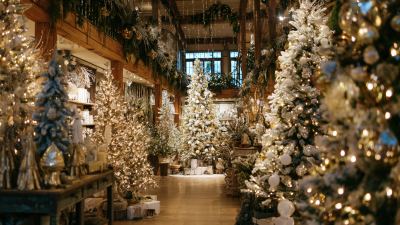
A Twinkle Christmas Tree is an artificial or natural-looking holiday tree designed to create a gentle, sparkling light display. Its branches may hold built-in LED bulbs, fiber-optic strands, or color-changing lights that shimmer at different speeds. Unlike a standard pre-lit tree, it often uses programmed effects to imitate tiny stars moving through the branches. The name is not completely standardized, however. Retailers may use it for several lighting styles, so shoppers should inspect product details carefully.
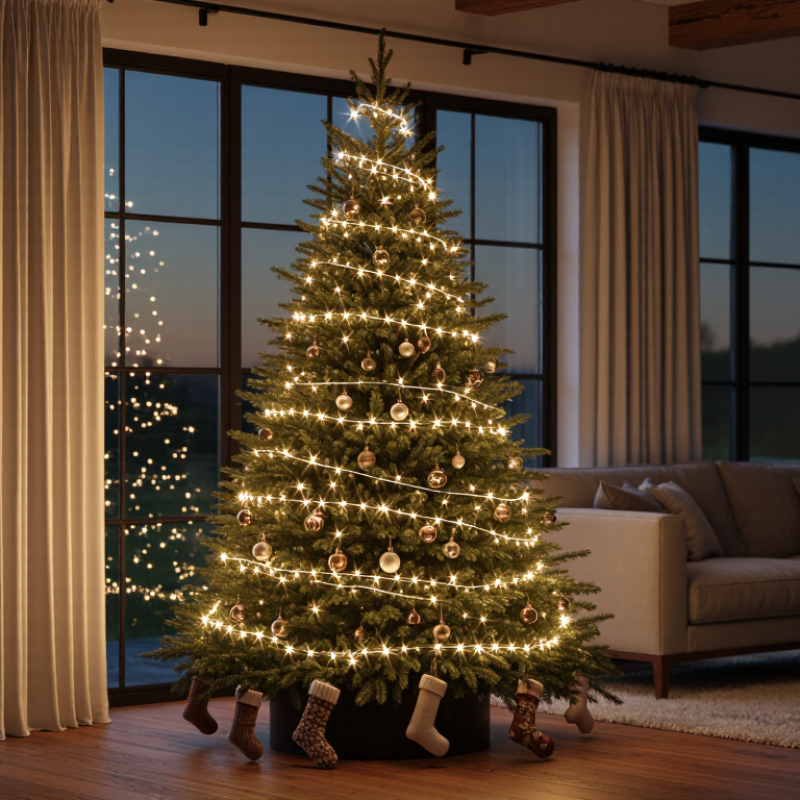
In practical use, a Twinkle Christmas Tree can simplify decorating. Many models connect lights through one central plug, reducing tangled cables around the floor. Quality versions use evenly spaced LEDs, strong branch hinges, and heat-resistant wiring. I have found that warm-white lights create a softer living-room atmosphere, especially beside wooden ornaments and knitted stockings. Brighter multicolor effects can feel festive, but they may overwhelm small spaces. That part depends on taste.
Check the tree’s height, base width, light settings, and replacement policy before buying. A quiet timer is useful when the room should remain dark at bedtime. Keep connections dry and follow the manufacturer’s instructions for assembly and storage. Some trees look magical online but appear sparse in person. Product photographs can mislead. Reading verified reviews and checking close-up images offers more reliable evidence. This guide explores how a Twinkle Christmas Tree works, what features matter, and which design choices suit different homes. Expect practical advice, not a perfect formula.
What Is a Twinkle Christmas Tree?
A twinkle Christmas tree is an artificial tree designed with lights that shimmer gently across its branches. The term usually describes lighting behavior, not a specific tree shape. Its LEDs may brighten and soften at different times, creating a scattered, star-like effect. Some sections remain steady, while others pulse slowly. The timing should feel subtle, not like rapid flashing.
What Defines a Twinkle Christmas Tree?
Built-in micro LEDs are common because they spread light through dense foliage. Lighting terminology matters here. “Twinkle” often means irregular, low-intensity changes, while “flash” suggests a sharper and faster sequence. “Steady-on” means every bulb keeps the same brightness. Controllers may offer several modes, including warm white, multicolor, fade, and combination settings. However, these labels are not perfectly standardized. One seller’s “twinkle” may look almost static, which can be disappointing. Check the light pattern in a video, if available, and review the controller details. Look for clear electrical ratings and instructions that follow local safety requirements.
Tips: View the tree from several distances before choosing a mode. A soft shimmer looks elegant across a room but may disappear in bright daylight. Keep wires away from heat sources, inspect damaged cords, and avoid overloading outlets. I prefer testing the timer overnight, although I sometimes forget to check whether the lights restart in the same mode. That small detail affects daily convenience.
| Dimension | Definition | What It Looks Like or Does | Key Details |
|---|---|---|---|
| Twinkle Christmas Tree | A Christmas tree decorated with lights that create a sparkling, intermittently flashing effect. | Individual bulbs or small groups of bulbs brighten and dim at different times, producing a scattered star-like shimmer. | “Twinkle” describes the lighting effect rather than a specific tree species, shape, or construction method. |
| Twinkle Effect | A lighting pattern in which selected lights briefly change in brightness or turn on and off while other lights remain steady. | The tree appears to sparkle instead of displaying one continuous, uniform glow. | The effect may be subtle or pronounced, depending on the controller, bulb spacing, and programmed sequence. |
| Pre-Lit Tree | A Christmas tree that has lights installed on its branches before purchase. | Setup is generally faster because the light strings do not need to be arranged manually. | A pre-lit tree can have steady, twinkle, fading, chasing, or multiple selectable modes. |
| LED Lighting | Lighting that uses light-emitting diodes instead of traditional incandescent filaments. | LED bulbs are available in steady and animated designs and are commonly used for decorative trees. | LEDs generally use less electricity and produce less heat than incandescent bulbs, although performance depends on the specific product. |
| Incandescent Lighting | Lighting that produces illumination by heating a wire filament. | It usually gives a warm, traditional glow and can be used in flashing or twinkling arrangements. | Incandescent bulbs typically consume more electricity and generate more heat than comparable LED bulbs. |
| Steady-On Mode | A lighting setting in which the bulbs remain continuously illuminated. | The entire tree gives a consistent, uninterrupted glow without animation. | Steady-on mode is often used as an alternative to twinkle mode for everyday display or photography. |
| Flash or Blink Mode | A programmed setting that switches lights on and off at a noticeable interval. | The lights blink more uniformly and visibly than a soft twinkle effect. | Some controllers allow the speed or intensity of the flashing pattern to be adjusted. |
| Fade Mode | A lighting pattern in which bulbs gradually increase and decrease in brightness. | The light appears to breathe or gently pulse rather than switch abruptly. | Fade effects are usually smoother and less sharp than simple on-and-off blinking. |
| Chase Mode | A sequential lighting pattern in which illumination appears to move along sections of the tree. | Lighted areas turn on in an ordered progression, creating a travelling or cascading effect. | Chasing requires separately controlled sections or groups of lights. |
| Warm White | A light color with a yellowish or golden appearance, commonly associated with traditional holiday lighting. | It creates a cozy, soft visual effect and works well with wood, red, gold, and natural decorations. | Warm white is generally lower in color temperature than cool white. |
| Cool White | A light color with a cleaner, whiter, or slightly bluish appearance. | It creates a brighter, crisper look and can complement silver, blue, and white ornaments. | The exact appearance varies according to the light’s color temperature and surrounding room lighting. |
| Multicolor Lighting | Lighting that combines two or more bulb colors on the same tree. | The tree may display several colors steadily or cycle through animated color patterns. | Color-changing functions may be controlled by a switch, remote, timer, or built-in control unit. |
| Light Distribution | The way bulbs are positioned across the height, width, and depth of the tree. | Even distribution creates a balanced appearance, while varied placement can make the sparkle look more natural. | Branch density, bulb spacing, and the number of lighted sections all affect visual coverage. |
| Lighting Controller | An electronic component that manages brightness, color, timing, and animation patterns. | It may provide buttons, a remote control, a foot switch, or programmed automatic sequences. | Available functions differ by design; not every twinkle tree supports dimming or custom timing. |
| Timer Function | A control feature that turns the lights on and off according to a recurring schedule. | The tree can illuminate during selected hours without requiring daily manual operation. | Timer behavior and cycle length vary by controller, so the instructions should be checked before use. |
| Safety Considerations | Practices that reduce electrical, heat, and placement risks during seasonal display. | Properly installed lights operate reliably without overloaded sockets, damaged cords, or blocked ventilation. | Inspect cords and bulbs, follow the product instructions, keep connections dry, and turn lights off when unattended unless the instructions state otherwise. |
Terminology note: “Twinkle Christmas tree” is a descriptive decorating term, not a single standardized technical category. The exact animation, bulb type, color, and control options can vary between tree designs.