
Leave Your Message

Why Choose Personalized Christmas Stockings Wholesale?

Why Choose Personalized Christmas Stockings Wholesale?

Personalized Christmas Stockings turn a familiar holiday item into a memorable keepsake. A stitched name, a family initial, or a small snowflake can make each stocking feel personal. For retailers, this detail can create stronger emotional value than a standard red-and-white design.

Mia Carter, a seasonal merchandising consultant with experience in holiday gift retail, says, “Personalization gives a simple stocking a reason to be remembered, displayed, and purchased again.” Her point reflects what many buyers see in practice. Customers often pause when they find a stocking made for one specific child, pet, or family member. That pause can become a sale.

Wholesale purchasing also supports consistent pricing and broader design selection. Retailers may request matching stockings for families, classrooms, hotels, or community events. Bulk orders can reduce the unit cost. They can also simplify packaging and shipping.

But wholesale is not automatically the right choice. Poor stitching, uneven names, or late production can damage customer trust quickly. I have seen attractive samples fail during larger orders. That risk deserves attention.

Reliable suppliers should provide clear embroidery proofs, material details, production timelines, and quality checks. Soft velvet, strong hanging loops, and clean lettering matter. So does accurate spelling.

Personalized Christmas Stockings offer commercial appeal and genuine seasonal warmth. Their value depends on execution, not decoration alone. A thoughtful wholesale partner can help retailers build a collection that looks cohesive, feels durable, and gives customers a reason to return each Christmas.
Why Choose Personalized Christmas Stockings Wholesale?

What Are Personalized Christmas Stockings?

Why Choose Personalized Christmas Stockings Wholesale?

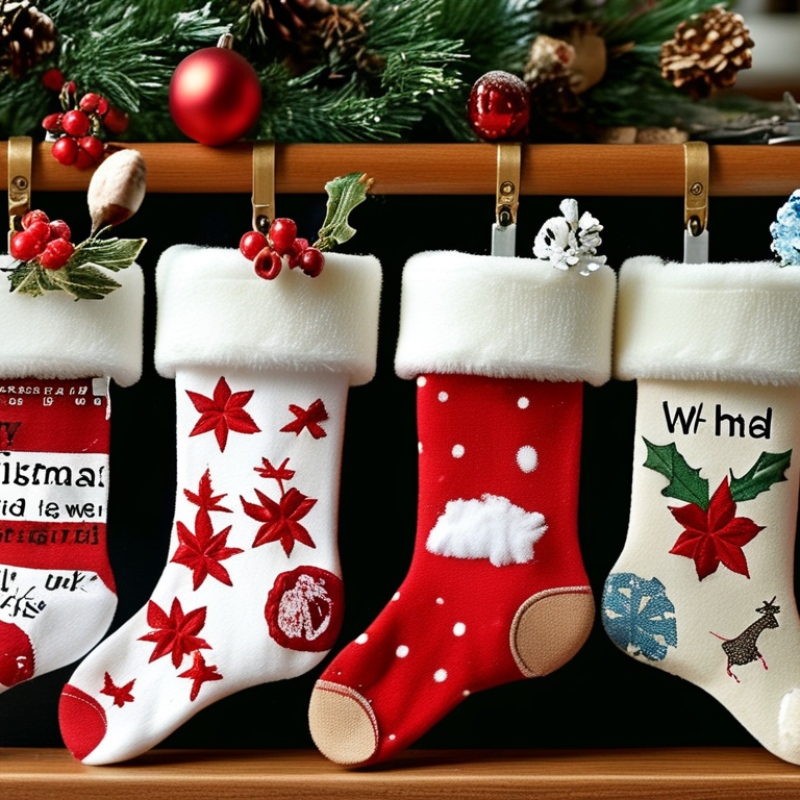
Personalized Christmas stockings are fabric holiday socks customized for a specific person, family, or event. They often feature an embroidered name, initial, date, or short message. Unlike ordinary stockings, each piece carries a clear personal identity. A red stocking with “Mia” stitched in cream thread feels different from a blank one on the same mantel.

In wholesale purchasing, personalization can include embroidery, printed lettering, patches, or decorative charms. Common materials include felt, cotton, velvet, and durable polyester. Experienced buyers should check the stitching, fabric weight, hanging loop, and name placement before approving large quantities. Small details matter. A crooked name can damage customer trust. A weak loop may fail after one season.

Personalized stockings also support practical group orders for homes, schools, hotels, and seasonal events. Buyers can request matching designs with different names, which creates a coordinated display without making every item identical. In my sourcing experience, spelling control is often harder than choosing colors. One overlooked letter can require a costly remake. A physical sample, clear artwork, and written approval reduce that risk. Still, even careful systems can miss unusual names, so manual checking remains worthwhile. Wholesale customization works best when appearance, production limits, and delivery timing are reviewed together.

How Does Wholesale Personalization Work?

Wholesale personalization turns a standard Christmas stocking into a coordinated seasonal product. Buyers usually select the stocking shape, fabric, thread color, and personalization method. They then submit names, initials, or short messages in a production template. A digital proof should confirm spelling, placement, and letter size before manufacturing begins. Small details matter, especially on a 45-centimeter stocking hung near a fireplace.

The process normally starts with a sample order, followed by bulk approval and production scheduling. Suppliers may set minimum order quantities because each name requires separate file preparation and quality checks. Embroidery is durable and tactile, while printed names can support more colors and finer artwork. According to McKinsey’s 2021 Next in Personalization report, 71% of consumers expect personalized interactions, and 76% feel frustrated when they do not receive them. That expectation makes accurate customization more than decoration.

Wholesale planning also needs realistic deadlines. The National Retail Federation forecast U.S. holiday sales between $979.5 billion and $989 billion for 2024, showing the scale of seasonal demand. However, a busy market does not excuse rushed inspection. I would request a pre-production sample and test several names, including narrow letters such as I and wide letters such as W. The weak point is often overlooked spacing. A beautiful stocking can still feel poorly made when the name sits too close to the cuff. Mistakes happen. Good suppliers document them, correct the process, and keep buyers informed.

Why Do Businesses Choose Personalized Stockings?

Why Do Businesses Choose Personalized Stockings?

Businesses choose personalized Christmas stockings to create a stronger connection with customers. A name, date, or simple pattern can make a seasonal gift feel thoughtfully selected. Retailers can use them for holiday displays, customer rewards, employee gifts, and event merchandise. Wholesale purchasing also supports consistent sizing, colors, and packaging across multiple locations.

Quality remains important. Experienced buyers usually request samples before approving a large order. They check stitching, fabric thickness, hanging loops, personalization accuracy, and color consistency. A stocking may look attractive online but feel weak in hand. That small surprise can damage customer trust. Reliable suppliers should provide clear production timelines and realistic product details. Personalization also requires careful proof checking. One spelling error can affect the entire order.

Tips: Start with a practical quantity. Leave room for replacements. Ask about sample approval, production capacity, packing methods, and delivery schedules. Simple designs often print more clearly. I have found that overly detailed artwork can lose charm on smaller stockings. Review every name twice, even when the list seems perfect. Businesses should also consider whether the material suits their customers’ homes, especially when stockings may hang near warm decorations. A thoughtful product is useful, not merely festive.

Which Materials and Designs Suit Wholesale Orders?

Why Choose Personalized Christmas Stockings Wholesale?

Wholesale Christmas stockings work best when material choices match the selling environment. Cotton canvas offers a firm shape and a reliable surface for embroidery. Felt is lighter, softer, and often more affordable for seasonal displays. Velvet creates a richer appearance, but it can show dust and pressure marks during shipping. Recycled polyester may suit large orders when consistent color and easy cleaning matter. Always request a physical sample. Photos rarely show thickness, stitching tension, or lining quality accurately.

Design decisions also affect production speed and customer appeal. Classic red, cream, and green designs are easy to merchandise across many stores. Names, initials, snowflakes, and simple woodland shapes support personalization without overcrowding the stocking. A reinforced hanging loop prevents trouble at busy retail counters. Strong seams matter more than decorative details. Small parts should be securely attached, especially when products may be handled by children.

I once underestimated how differently velvet and felt responded to machine embroidery. The sample looked excellent, but the larger batch needed slower stitching and extra inspection. That mistake changed my wholesale checklist. I now compare thread density, cuff width, lining, packaging space, and color consistency before approving production. Some designs still need compromise. A highly detailed pattern may look impressive, yet delay delivery and increase defect rates. Clear artwork files and written measurements reduce avoidable revisions. Bulk buyers should test washing, hanging strength, and storage marks before placing the final order.

How Can Buyers Evaluate Wholesale Suppliers?

Why Choose Personalized Christmas Stockings Wholesale?

Buyers should evaluate wholesale suppliers beyond price. A low quote can hide thin fabric, weak seams, or inconsistent embroidery. I have learned this from reviewing production samples before seasonal orders. Request a physical sample, not only digital images. Check the stocking’s weight, lining, hanging loop, and stitching under normal handling. Small flaws become expensive when hundreds of pieces arrive.

Ask for clear material specifications and production details. Reliable suppliers should explain fiber content, size tolerance, color matching, and customization limits. Confirm the minimum order quantity and whether mixed designs are accepted. Review the production schedule carefully, especially before the holiday peak. A written defect policy matters. It should explain replacements, inspection deadlines, and responsibility for damaged cartons.

Supplier communication also reveals professionalism. Do they answer questions directly, or provide vague promises? Request recent customer references and simple evidence of quality-control procedures. Factory photos can help, but independent inspection is stronger. Verify packing details, carton dimensions, and shipping documents before payment. Keep every approved artwork and measurement in writing. I once overlooked a one-centimeter size difference; the finished stockings looked noticeably smaller. That mistake still influences my purchasing checklist. No supplier is perfect. A practical buyer leaves room for delays, sample revisions, and honest correction.

Why Choose Personalized Christmas Stockings Wholesale? - How Can Buyers Evaluate Wholesale Suppliers?
Evaluation Category Buyer Evaluation Dimension Practical Target or Requirement Evidence to Request Suggested Weight Score
(1–5)
Product Customization Personalization methods Supplier supports the required method, such as embroidery, printed names, woven labels, or appliqué, and can reproduce the approved artwork. Customization catalog, artwork requirements, pre-production sample, and written approval procedure. 15% ____
Product Customization Sample-to-bulk consistency Bulk production must follow the approved sample for dimensions, color, placement, thread or print quality, and finishing details. Signed sample approval sheet, production specification, and inspection checklist. 12% ____
Quality Control Material and construction quality Material composition, lining, stitching, hanging loop, cuff, and seams are clearly specified and checked before shipment. Material specification, product photos, inspection records, and test samples from the intended production lot. 15% ____
Order Planning Minimum order quantity and assortment flexibility MOQ is compatible with the buyer’s sales forecast; supplier states whether MOQ applies per design, color, size, or total order. Formal quotation showing MOQ rules, price tiers, assortment options, and packaging quantities. 10% ____
Order Planning Production and sampling lead time Supplier provides separate timelines for artwork approval, sample production, bulk production, inspection, and dispatch. Written production schedule with milestone dates and delay-management terms. 10% ____
Compliance Market-specific product documentation Documentation matches the destination market. For example, EU textile products require fiber-composition labeling, while children’s products sold in the United States may be subject to applicable children’s-product safety requirements. Test reports, declarations, labeling artwork, and documentation issued for the relevant product and destination market. 12% ____
Packaging Individual and master-carton packaging Packaging protects embroidered or printed surfaces, identifies designs correctly, and includes agreed carton markings and quantities. Packaging specification, carton dimensions, packing photos, and carton-marking sample. 8% ____
Commercial Terms Quotation transparency Price clearly separates product cost, customization, sample charges, packaging, tooling, freight, taxes, and payment terms. Itemized quotation with currency, validity period, payment schedule, and all additional charges. 8% ____
Logistics Shipping capability and documentation Supplier can provide agreed shipping terms, export packing details, commercial invoice, packing list, and tracking or transport documents. Shipping quotation, example export documents, carton data, and agreed delivery term. 5% ____
Service Reliability Communication and corrective-action process Supplier assigns a responsible contact, confirms changes in writing, and provides a documented process for defects, shortages, or late delivery. Service-level terms, escalation contact, corrective-action form, and references from comparable orders without undisclosed brand information. 5% ____
Weighted Supplier Evaluation Total 100% ____ / 5
Scoring method: rate each category from 1 to 5, multiply the score by the suggested weight, and compare suppliers using the same approved sample, specifications, compliance requirements, and delivery terms.