
Leave Your Message

Why Choose Christmas Centerpiece for Holiday Tables?

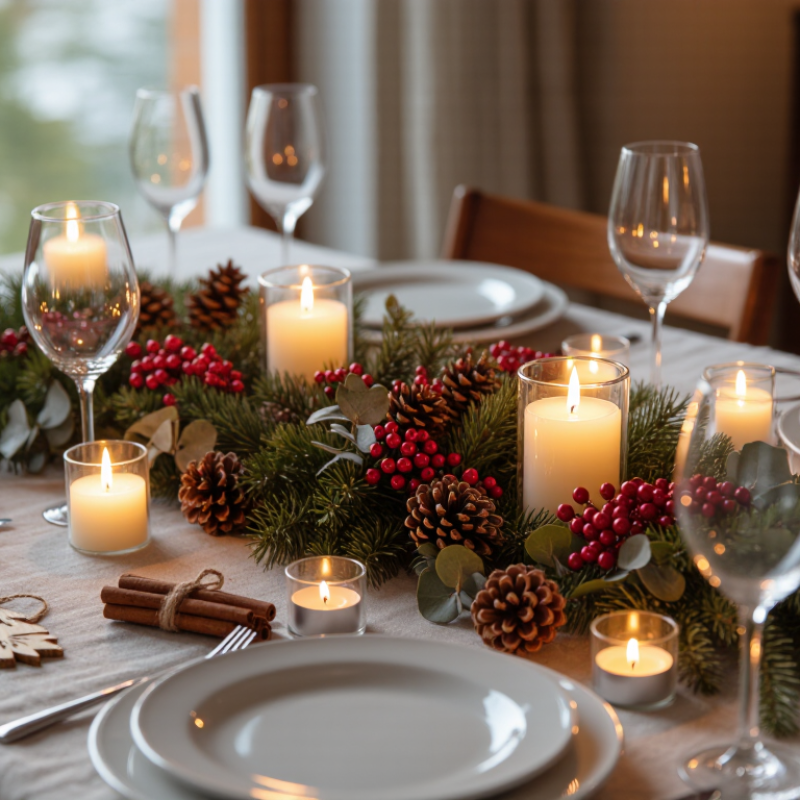
A Christmas Centerpiece does more than decorate a holiday table. It creates the first visual impression when guests enter the dining room. Evergreen branches, red berries, pinecones, and warm candlelight can make an ordinary table feel welcoming and seasonal. The arrangement also gives the celebration a clear focal point, without requiring expensive dinnerware or elaborate decorations.

Martha Stewart, a recognized authority on home entertaining, has said, “The best rooms have something to say about the people who live in them.” A thoughtful Christmas Centerpiece can express that personality through color, texture, and meaningful details. A family might include handmade ornaments, while another household may prefer white roses, silver foliage, and soft linen. Professional florists also consider proportion carefully. The centerpiece should look full, but it should not block conversation or hide the food.

Practical choices matter, too. Fresh greenery adds natural fragrance, but it can dry quickly in heated rooms. Candles create atmosphere, yet their flames require safe spacing from foliage and fabric. Artificial stems may last longer, although they can look overly uniform. That is the trade-off.

A beautiful table is not always a flawless one. A slightly uneven branch or a handmade decoration can feel more personal than perfect symmetry. The best design balances appearance with comfort, safety, and usability. Choosing a Christmas Centerpiece therefore means choosing the mood, story, and shared experience of the holiday table.
Why Choose Christmas Centerpiece for Holiday Tables?

Meaning and Purpose of a Christmas Centerpiece

A Christmas centerpiece gives the holiday table a clear emotional center. It marks the meal as special, not merely scheduled.

Its purpose is practical too: it frames place settings, guides conversation, and adds seasonal warmth without changing the entire room. The National Retail Federation reported that U.S. holiday sales reached $964.4 billion in 2023. That scale reflects more than shopping. It shows how strongly people invest in shared seasonal experiences.

A well-designed centerpiece can express hospitality through simple details. Evergreen branches suggest continuity. Warm candlelight creates intimacy. Red berries or dried oranges add color and a faint natural scent.

I have found that guests often remember the table atmosphere more than expensive decorations. Still, a centerpiece can fail. Too much height blocks eye contact. Strong fragrance may compete with food. I sometimes overfill the table, then remove half the decoration before guests arrive. That correction matters.

Tips:

Keep the arrangement below eye level, usually under 12 inches. Leave space for serving dishes and moving hands. Use unscented candles near food. The American Society of Interior Designers consistently emphasizes scale, balance, and function in residential design guidance. Apply those principles here. A narrow runner, three small vessels, and uneven greenery often feel more natural than one oversized display. The arrangement should look considered, but not untouched. A slightly imperfect branch or handmade detail can make the table feel personal.

Key Benefits for Holiday Table Decoration

Why Choose Christmas Centerpieces for Holiday Tables?

A Christmas centerpiece gives the table an immediate focal point. It can make a plain dining surface feel intentional, even with simple plates and clear glassware. In practical table styling, low arrangements work best. Guests can maintain eye contact, pass dishes, and reach across the table without moving decorations. Candlelight, pine branches, dried oranges, and textured linen also create visible layers without demanding expensive accessories.

Industry data supports the continuing value of seasonal decoration. Grand View Research estimates the global Christmas decorations market reached approximately 8.15 billion dollars in 2023, with projected growth through 2030. The National Retail Federation forecast 2024 holiday sales between 979.5 and 989 billion dollars. These figures show strong seasonal spending, but they do not prove that larger decorations create better celebrations. A carefully edited centerpiece may offer more value than a crowded display.

Details matter. Choose unscented candles when food aromas should remain clear. Keep greenery away from open flames, and check that no element blocks serving areas. A centerpiece should suit the table’s actual size, not an imagined showroom. That is where many arrangements fail. I have seen beautiful designs become inconvenient once soup bowls and children’s glasses arrive. The strongest holiday setting leaves space for conversation, movement, and a few imperfect, memorable moments.

Types of Christmas Centerpieces and Their Features

A Christmas centerpiece does more than fill empty table space. It establishes height, color, and a shared focal point. The right type depends on table length, lighting, and guest movement. The National Retail Federation reported $964.4 billion in U.S. holiday sales during 2023. That scale suggests strong demand for seasonal experiences, not only gifts. A carefully chosen centerpiece makes dinner feel more intentional.

Fresh greenery and berry arrangements create texture and a natural winter mood. They work well on long tables, especially when arranged in a low runner. Floral centerpieces add softness and color, but their stems need frequent trimming. Candle centerpieces provide warm light and ceremony. The NFPA Home Candle Fires report recorded an average of 5,910 home structure fires caused by candles each year from 2016 to 2020. Therefore, use stable holders and keep flames away from foliage, napkins, and sleeves. LED candles are less dramatic, but often more practical.

Fruit bowls, pinecones, and dried branches offer durable, budget-conscious options. They suit busy households because they need little maintenance. Minimalist centerpieces leave more room for serving dishes and conversation. They are not always visually impressive. I once used a tall arrangement that blocked every guest’s face. It looked beautiful in photographs and failed at dinner. Test the sightline while seated. Small details matter. A centerpiece should decorate the table without competing with the people around it.

Why Choose Christmas Centerpieces for Holiday Tables?

Typical centerpiece heights help balance festive decoration, visibility, and dining comfort.

Floral arrangements create a traditional focal point, candle arrangements add warmth, evergreen designs bring natural texture, fruit arrangements provide color and seasonal character, and lanterns offer a structured glow. For comfortable conversation, low or medium-height centerpieces are generally the most practical choice.

How to Choose a Centerpiece for Your Table

Choosing a Christmas centerpiece begins with the table, not the decorations.

Measure the tabletop before buying or arranging anything. A narrow table usually needs a slim design, while a wide table can support layered greenery. Keep the centerpiece low enough for comfortable conversation. A height of about 12 inches often protects the sightline across the table.

Measure first. It saves trouble.

Consider the table’s existing colors, texture, and shape. A wooden table may suit pine branches, dried orange slices, and warm ceramic pieces. A glass table can handle lighter materials, such as white flowers, silver ornaments, or transparent candle holders. Use one main color and two supporting tones. Too many competing colors can make the setting feel crowded.

Candles add warmth, but stability matters more than appearance. Choose heavy holders, keep flames away from greenery, and leave clear space around each light. Battery-operated candles can be a sensible option in homes with children or pets.

Always check the arrangement from seated eye level. It may look balanced while standing, yet block faces when guests sit down.

My first centerpiece was too tall and overly decorated. It looked impressive in photographs but interrupted every conversation. That mistake changed how I plan table décor. I now place plates, glasses, and serving dishes first, then build the centerpiece around them.

Leave room for real food. A beautiful arrangement that steals useful space is not successful.

Keep it low. Make it inviting.

Safety, Placement, and Seasonal Maintenance

Why Choose Christmas Centerpieces for Holiday Tables?

A Christmas centerpiece can shape a table without blocking conversation. Safety must guide its design and placement. The National Fire Protection Association reports about 5,910 home candle fires annually, based on 2016–2020 data. These fires caused 74 deaths, 558 injuries, and approximately $291 million in direct property damage. That evidence makes open flames a serious seasonal consideration.

Keep it stable. Place candles in heavy holders, away from napkins, greenery, and serving dishes. The flame should remain below eye level, especially when guests stand or children move nearby. Battery-operated lights reduce ignition risks, but their wires still need inspection. The U.S. Consumer Product Safety Commission has repeatedly warned consumers about damaged seasonal lighting and overloaded electrical connections. Use one certified extension cord, keep plugs dry, and replace cracked insulation.

Seasonal maintenance should happen every few days, not only before guests arrive. Remove dry needles, faded berries, and fallen ribbon promptly. Check water levels in floral foam arrangements, because dry foliage can become brittle and highly flammable. I sometimes focus too much on symmetry and forget clearance around the centerpiece. That is a mistake worth correcting. Leave enough space for plates, hands, and accidental movement. A slightly smaller arrangement may serve the table better. Keep it stable.

Why Choose Christmas Centerpiece for Holiday Tables? - Safety, Placement, and Seasonal Maintenance

Category Practical Dimension Recommended Target Why It Matters Seasonal Action
Table Visibility Centerpiece height Keep arrangements at or below approximately 12 in (30 cm), or use a taller design with an open, see-through base. Guests should be able to maintain eye contact and see serving dishes across the table. Check the sightline from every seat before guests arrive.
Place Settings Clearance around plates and glassware Leave at least 24 in (61 cm) of table width per guest where possible, and keep stems, foliage, and ornaments outside eating areas. Adequate space reduces accidental contact with decorations and improves dining comfort. Set the complete table once and remove any item that interferes with elbows or serving.
Open Flame Safety Candle position Use stable, nonflammable holders and keep flames away from greenery, ribbons, paper, napkins, and table linens. Dry foliage and lightweight decorations can ignite or catch heat quickly. Never leave burning candles unattended; extinguish them before leaving the room or going to bed.
Heat and Stability Base and weight distribution Choose a broad, flat base; keep tall elements centered and secure loose stems, ornaments, and taper holders. A low center of gravity helps prevent tipping from bumps, pets, children, or serving activity. Test the arrangement with a gentle table vibration before use.
Electrical Decorations Light-string placement Use lights rated for their intended location, keep cords away from hot surfaces and walkways, and inspect wires before use. Damaged insulation, overloaded connections, or heat exposure can create shock or fire hazards. Unplug lights when the table is unattended and replace damaged sets rather than repairing exposed wires.
Fresh Greenery Moisture management Keep cut stems hydrated in a suitable container and check water daily; do not allow water to contact electrical connections. Hydrated greenery generally stays fresher and is less likely to become dry and brittle. Remove brown, brittle, or dropped foliage promptly and replace greenery when it dries out.
Food Hygiene Contact between decorations and food Use clean, food-safe vessels for edible elements and keep non-food decorative materials away from uncovered food. Soil, plant residue, coatings, and small decorative parts should not enter food or beverages. Replace or wash decorative components that become dusty, wet, or contaminated during serving.
Pets and Children Small parts and toxic plants Avoid loose small ornaments, sharp picks, accessible wires, and plant materials known to be harmful if chewed. Small objects may present choking risks, while some holiday plants can cause illness when ingested. Place the centerpiece out of reach or choose a simple, non-toxic, non-breakable design.
Daily Inspection Condition check Inspect candles, holders, cords, foliage, water containers, and ornaments before each use. Early detection helps identify heat damage, leaks, loosened parts, and excessive dryness. Complete a quick check daily and immediately after moving or rearranging the centerpiece.
End-of-Season Storage Cleaning and packing Discard dried natural materials; clean reusable pieces, dry them completely, and store them in a cool, dry place. Dry storage reduces mold, corrosion, odor, and damage to fragile decorations. Label fragile components and keep candles separate from heat sources and direct sunlight.

Planning note: Choose the centerpiece size, materials, and lighting according to the table layout, guest needs, ventilation, and the presence of children or pets. Always follow the safety instructions supplied with candles, lights, and decorative products.