
Leave Your Message

10 Tips for Choosing Personalized Christmas Stockings

Choosing the right Christmas stocking involves more than adding a name to festive fabric. Personalized Christmas Stockings can become treasured holiday keepsakes when their design, materials, and size suit the recipient. A child’s stocking may need playful colors and room for small toys. An adult’s version might favor wool textures, muted colors, or a traditional monogram.

Practical details matter. Look for reinforced hanging loops, secure stitching, and clearly stated fabric information. Reputable makers should explain their personalization process and provide accurate measurements. Embroidery usually feels durable, while printed designs may offer brighter artwork. Check the lettering carefully before ordering. One misplaced initial can spoil an otherwise thoughtful gift.

Think about where the stocking will hang. A heavy design may pull down a narrow mantel hook. A deep stocking may look beautiful but become awkward to fill. For shared family displays, consistent colors can create a polished appearance. However, matching everything is not always necessary. Individual details often make the arrangement feel warmer.

I once chose a stocking mainly for its attractive photograph. The fabric felt thinner than expected. That experience changed how I compare product descriptions, customer reviews, and close-up images. Small imperfections can teach useful lessons. This guide explores ten practical tips for choosing a stocking that looks festive, feels personal, and performs well through many holiday seasons. Consider comfort, craftsmanship, personalization accuracy, and the recipient’s everyday preferences. A meaningful stocking should not only photograph beautifully. It should also hang securely, hold suitable gifts, and still feel special next year.
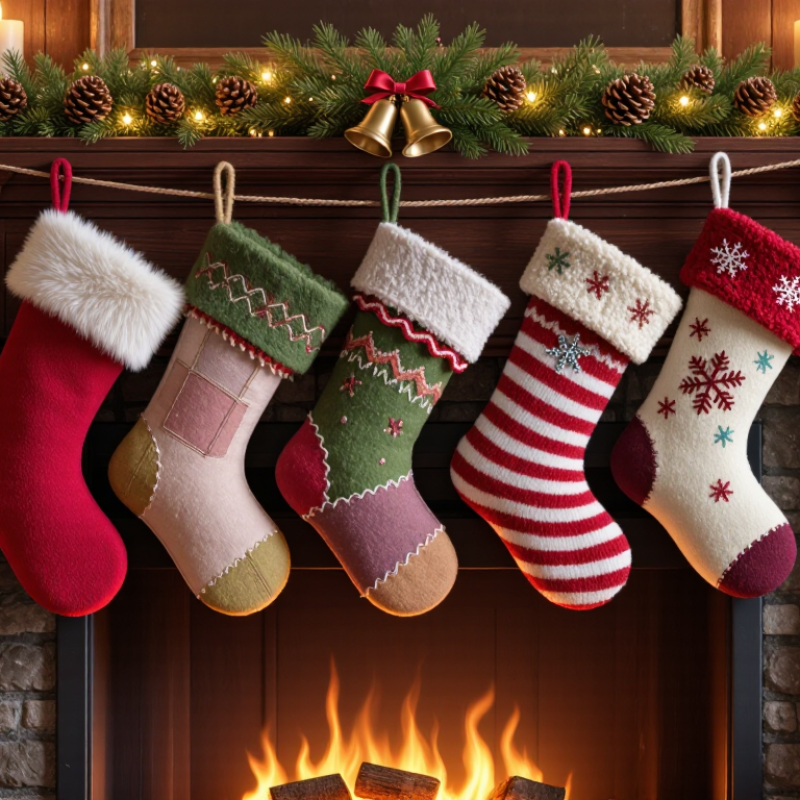
10 Tips for Choosing Personalized Christmas Stockings

Define the Purpose and Style of a Personalized Christmas Stocking

Define the Purpose and Style of a Personalized Christmas Stocking

A personalized Christmas stocking should serve a clear purpose before its design is chosen. Decide whether it will hold small gifts, decorate a mantel, or become a keepsake for yearly traditions. A stocking for children needs enough space for books, fruit, and small toys. A decorative stocking can be slimmer and more refined. Measure the hanging area first. A beautiful stocking may look awkward if it overwhelms the fireplace.

Tip: Write the stocking’s purpose in one sentence before shopping. This simple step prevents attractive but unsuitable choices.

Style should reflect the room and the recipient’s personality. Soft felt suits a warm, traditional setting, while linen or simple cotton creates a cleaner appearance. Choose colors that match nearby decorations, not only personal favorites. Names should be easy to read from several feet away. Embroidery usually feels more lasting than printed lettering, but thread colors still matter. Test the contrast before ordering.

In my experience, practical details are often ignored. I once chose a narrow stocking with elegant lettering, but it barely held anything. That mistake changed how I evaluate size and function. Check the hanging loop, lining, stitching, and fabric weight. Handmade details can vary slightly, which may add character, though perfection is not guaranteed. A thoughtful design balances usefulness, personality, and honest expectations.
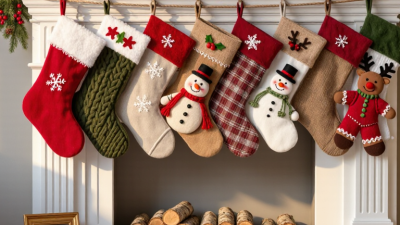
Choose Durable Materials and a Practical Stocking Size

A personalized Christmas stocking should survive more than one festive season. In my experience, tightly woven cotton canvas holds embroidered names well and resists stretching. Recycled polyester can also provide strength, especially for stockings handled by children. Textile Exchange’s Materials Market Report 2024 recorded global fiber production at 124 million tonnes in 2023. Polyester represented about 57% of that volume. Material choice matters, but fiber content alone does not prove durability.

Check the seams, lining, hanging loop, and cuff. Reinforced stitching is useful near the loop, where a filled stocking creates the most tension. The U.S. Environmental Protection Agency reported that Americans generated 17 million tons of textile waste in 2018, while only 2.5 million tons were recycled. A reusable stocking with washable fabric may reduce replacement waste. That sounds simple. It is not always simple.

Size should match the gifts, not the fireplace. A 16-to-20-inch stocking suits small toys, socks, books, and wrapped treats without becoming bulky. A wider gusset helps it stand open, but excessive depth encourages overfilling. Leave room for movement around the hanging point. I once chose a large design that looked impressive, yet its loop sagged under ordinary gifts. Measure the intended hook first. Then test the empty stocking with one kilogram of safe household items. Personalization can wait. Fit cannot.

Select Personalization Details That Feel Meaningful and Clear

Personalized Christmas stockings feel special when every detail has a clear reason. A child’s first name, a family nickname, or a meaningful year can create that connection. In my experience, simple wording often looks more elegant than a crowded message. Check spelling twice before ordering. One small error can change the entire feeling.

Tip: Choose details that identify the recipient naturally. Full names work well for shared households, while initials suit smaller designs. Add a birth year only when it carries genuine meaning. Avoid private information that may confuse guests or children. Clarity matters more than decoration.

Tip: Match the lettering style to the stocking’s size and fabric. Thin script can disappear against thick wool or patterned surfaces. Block letters usually remain readable from across a room. Ask for a preview when possible, and inspect the spacing carefully. I once preferred a delicate font, but it looked uneven on textured fabric. That was a useful lesson.

Tip: Select colors with contrast. Cream thread may fade into white fabric, especially under warm lights. Deep red, forest green, or charcoal often provides stronger visibility. Consider how the stocking will look beside a fireplace, not only on a screen. A small symbol, such as a star or snowflake, can add warmth without competing with the name. Keep the message honest, legible, and personal.

Coordinate Colors and Patterns With Your Holiday Décor

Personalized stockings feel more inviting when their colors belong to the same holiday story. Before ordering them, photograph your tree, mantel, and nearby furniture in daylight. Notice the dominant shades, wood tones, and metallic accents. I usually choose one main color, one supporting color, and a small neutral detail. This creates unity without making every stocking look identical.

Patterns need similar attention. Pair a detailed stocking with a quieter one, such as a small plaid beside a solid knit design. Large patterns work well on wide mantels, while narrow stripes suit smaller spaces. Repeat one pattern color elsewhere, perhaps in ribbon, ornaments, or wrapped gifts. Keep it balanced. Too many competing patterns can make a mantel appear crowded.

Personalization should also support the room’s visual rhythm. Cream lettering may feel softer than bright white in a warm, traditional space. For modern décor, simple block letters often look cleaner than elaborate script. Check the thread color against the stocking fabric before finalizing names. I once chose pale lettering that disappeared under dim lights, so I would now test it beside the fireplace first. Matching everything perfectly is not necessary. Slight differences can make a family display feel collected and genuine. Consider texture, too: velvet, wool-like fabric, and woven cotton catch light differently and add depth. Voices, colors, and patterns should feel connected, not copied.

10 Tips for Choosing Personalized Christmas Stockings - Coordinate Colors and Patterns With Your Holiday Décor
Tip Selection Focus Recommended Color and Pattern Direction How to Coordinate With Holiday Décor Best Practical Choice
1 Start With Your Existing Color Palette Identify two or three dominant colors already used in the room, such as red, green, ivory, gold, silver, or navy. Choose stocking colors that repeat the tones found in the tree ornaments, mantel decorations, table linens, or wrapping paper. Homes with established holiday decorations that need a coordinated appearance.
2 Use a Balanced Color Ratio Combine one primary color, one secondary color, and one neutral shade instead of using many competing colors. A neutral stocking body, such as ivory or charcoal, can connect brighter ornaments without making the display look crowded. Decor schemes that include several colors or metallic accents.
3 Match Pattern Scale Pair large patterns with simple surrounding decorations and use small patterns when the room already has bold visual elements. A large plaid stocking works well against a simple mantel, while a small snowflake design suits a heavily decorated background. Mantels, staircases, and shelves where pattern size affects visual balance.
4 Coordinate With the Tree Repeat at least one tree color or motif, such as snowflakes, stars, pine branches, stripes, or geometric shapes. Using a shared color or pattern creates a visual connection between the stockings and the Christmas tree, even when they are in separate areas. Open-plan rooms where the tree and mantel are visible at the same time.
5 Consider the Room’s Style Choose traditional patterns for classic interiors, simple geometric designs for modern rooms, and natural textures for rustic spaces. The stocking material and pattern should support the room’s existing furniture, finishes, and decorative details. Decorating styles that rely on a consistent interior design theme.
6 Personalize Without Losing Harmony Use individual names, initials, or small symbols while keeping the stocking shape, trim color, or background fabric consistent. Personal details can differ for each family member, but a shared design element keeps the collection looking intentional. Families who want unique stockings that still look coordinated as a group.
7 Choose Materials That Fit the Display Velvet provides a rich appearance, knitted fabric adds warmth, canvas offers a casual look, and faux fur creates a soft seasonal accent. Repeat the texture in nearby details, such as woven ribbons, wool ornaments, wooden decorations, or metallic candleholders. Displays where texture is as important as color and pattern.
8 Account for Lighting Light colors reflect more light, while dark colors create stronger contrast. Metallic details can appear brighter near decorative lights. Place darker stockings against a light mantel or wall, and use ivory or neutral stockings where the background is already dark. Rooms with fireplaces, string lights, candles, or limited natural light.
9 Check Size and Hanging Space Select stockings with enough capacity for planned gifts while keeping similar lengths for a neat visual line. Leave enough space between stockings so patterns, names, and decorative cuffs remain visible rather than overlapping. Narrow mantels, staircase rails, media consoles, and compact display areas.
10 Plan for Reuse Favor durable construction, washable or spot-cleanable materials, and colors that will remain suitable for future décor changes. Classic combinations such as red and ivory, forest green and cream, or navy and white can adapt to different holiday themes over time. Households seeking personalized stockings that can be used for multiple holiday seasons.

Check Quality, Production Time, and Care Requirements

Tip 1: Check the fabric before admiring the embroidery. Dense stitching, reinforced seams, and a strong hanging loop usually indicate better construction.

Textile Exchange’s 2024 Materials Market Report recorded 124 million tonnes of global fiber production in 2023. Material choice matters. Cotton feels warm, while polyester often keeps vivid colors longer.

Tip 2: Ask for a physical sample or close-up photos. Screen colors can mislead.

I once underestimated a thin lining; it looked attractive but felt disappointing.

Tip 3: Confirm the production timeline in writing. Ask about proof approval, sewing, personalization, inspection, and shipping separately.

Tip 4: Add a buffer of seven to ten days before your decorating date. Holiday workshops become crowded quickly.

Tip 5: Check whether rushed production changes quality control. Fast is not always better.

Tip 6: Verify the name spelling before approval. Personalized errors are difficult to correct.

Tip 7: Read the care label carefully. Hand washing may protect metallic thread, felt, and printed details.

Tip 8: Avoid assuming every stocking is machine washable.

WRAP reports that extending clothing life by nine months can reduce its carbon, water, and waste footprints by 20–30%.

Tip 9: Request colorfastness guidance, especially for red or dark fabrics.

Tip 10: Keep the invoice, approved proof, and care instructions together.

My own mistake was storing the instructions separately. A small inconvenience, but avoidable.