Leave Your Message

What Are the Top Vintage Christmas Ornaments to Buy?

Choosing the best Vintage Christmas Ornaments is less about collecting expensive pieces. It is about finding objects with character, history, and safe display potential. A hand-painted glass bauble may show tiny paint losses. That does not always reduce its charm. Sometimes, it proves the ornament has survived many family celebrations.

Bob Richter, author of A Very Vintage Christmas and a recognized vintage holiday expert, says, “Vintage Christmas is about the story behind the object.” That idea guides this buying discussion. We will examine Shiny Brite ornaments, German glass pieces, Polish decorations, figural ornaments, indents, reflectors, and unusual mid-century designs. Each category offers different clues about age, craftsmanship, rarity, and value.

Look closely.

Check the cap, finish, seams, paint, and hanger. A bright surface can hide hairline cracks. A low price can signal damage, reproduction, or missing history. Yet judging ornaments is not perfectly simple. Some reproductions are beautifully made, while some rare originals are fragile and difficult to display. Personal taste also matters more than collectors sometimes admit.

This guide will help readers compare condition, authenticity, visual appeal, and practical use. It will also question common buying assumptions. The oldest ornament is not automatically the best choice. The most valuable piece may not suit your tree. A meaningful ornament, found in a small antique shop with its original box, can become the strongest purchase of all.
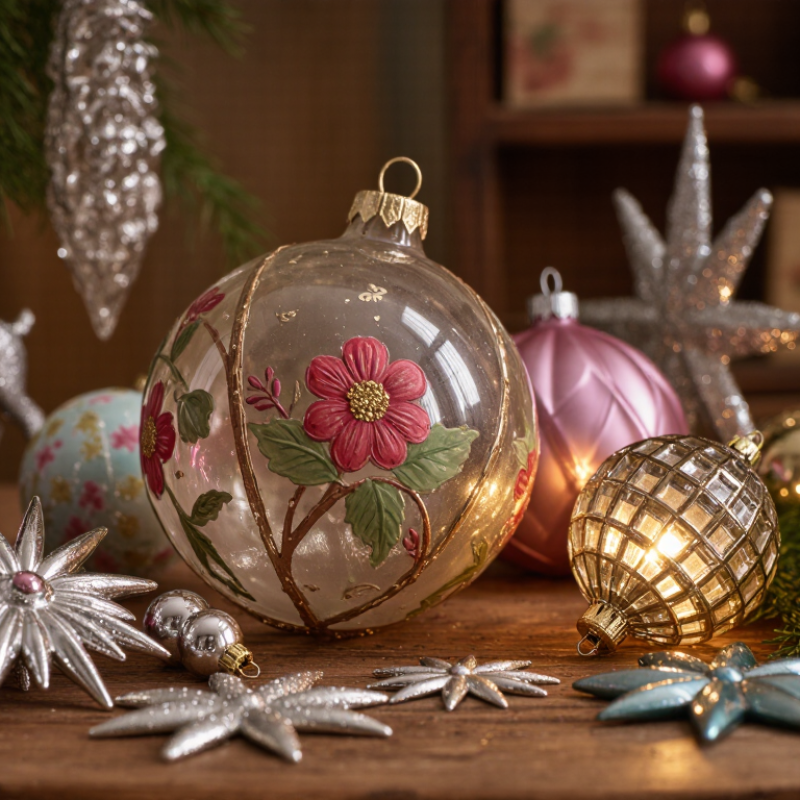
What Are the Top Vintage Christmas Ornaments to Buy?

Types of Vintage Christmas Ornaments Worth Buying

Vintage Christmas ornaments are worth buying when their material, shape, and condition feel genuinely period-specific. Blown-glass baubles often show thin walls, uneven paint, and small air bubbles. These flaws can support age, but they also demand careful handling. Figural ornaments, such as birds, bells, or tiny houses, add stronger visual storytelling than plain spheres. Mercury-glass pieces create a soft, smoky reflection. Keep them away from moisture and direct heat. Wooden ornaments suit rustic trees, especially when their carved edges remain slightly worn. Ceramic ornaments can be charming, though hairline cracks may spread during storage.

The 2024 Resale Report projects the U.S. secondhand market will reach 73 billion dollars by 2028. That growth supports more interest in collectible holiday décor, including older ornaments. The National Retail Federation projected 2024 U.S. holiday spending between 979.5 and 989 billion dollars, showing continued seasonal demand. Still, high demand can encourage careless pricing. I sometimes value surface wear too generously. A faded finish may reflect age, or simply poor storage. Check the cap, hanging wire, paint adhesion, and interior dust before buying. A cardboard box with handwritten dates adds useful history. Avoid pieces with strong odors, active flaking, or unstable materials. Small imperfections are acceptable. Missing parts are different. photographing each ornament before purchase may prevent emotional overpayment.
Key Features That Define Authentic Vintage Ornaments

What Are the Top Vintage Christmas Ornaments to Buy?

Authentic vintage ornaments usually show careful workmanship and gentle signs of age. I look for hand-painted details, uneven brush lines, and small variations in color. These imperfections can reveal human production rather than modern mass manufacturing. Many older glass ornaments feel surprisingly light, yet their thin surfaces require careful handling. A metal cap, faded thread, or slightly worn hanging loop may also support an older origin. None proves authenticity alone.

Material matters. Look for molded glass, pressed shapes, mica dust, delicate foil, or layered paper construction. Original paint may appear softly faded, especially around raised edges. A natural patina should look gradual, not artificially darkened in random spots. Check the ornament under bright, indirect light. Sharp cracks, fresh glue, and strong chemical odors deserve caution. Safety comes first.

The best purchases often include clear history. Ask where the ornament came from, how it was stored, and whether repairs were made. Family collections, estate records, or dated photographs can strengthen its credibility. I once trusted a beautiful surface too quickly, then noticed modern adhesive near the cap. That mistake changed my inspection habits. Authenticity is rarely decided by one detail. Buy pieces that combine age, construction, condition, and believable provenance. A little uncertainty is normal. Reserve fragile ornaments away from heat, moisture, pets, and curious children.

What Are the Top Vintage Christmas Ornaments to Buy? - Key Features That Define Authentic Vintage Ornaments

Ornament Type Typical Production Period Primary Materials Common Size Authenticity Features Condition Checks Collector Appeal
Kugel-Style Glass Ornament Approximately 1840s–1900 Thick hand-blown glass, silvered interior, metal cap 5–15 cm Heavy glass body, narrow neck, hand-finished surface, and an older metal cap with visible wear Check for hairline cracks, replaced caps, interior silvering loss, and excessive polishing Highly desirable because early examples are uncommon and often have substantial glass bodies
Mold-Blown Figural Glass Ornament Approximately 1910s–1960s Pressed or mold-blown glass, painted details, metal cap 6–14 cm Detailed molded features, seams from the original mold, hand-painted accents, and aged hanging hardware Look for paint loss, chipped extremities, repaired seams, and missing details Popular for unusual subjects such as animals, foods, household objects, and transportation themes
Indented or Reflector Glass Ornament Approximately 1930s–1950s Thin blown glass, metallic or colored finish, metal cap 7–12 cm Indented geometric panels, reflective interior, delicate glass walls, and period-appropriate cap construction Inspect the indents for stress cracks and check whether the reflective finish has flaked or darkened Collectible for its strong light-reflecting effect and distinctive mid-century appearance
Spun Cotton Ornament Approximately 1920s–1940s Compressed cotton, paper or cardboard core, wire, paint, and fabric trim 5–13 cm Soft matte texture, lightweight construction, hand-shaped forms, and slightly irregular facial or costume details Keep away from moisture; check for insect damage, crushed cotton, loose trim, and fading Valued for folk-art character, gentle colors, and handmade variations
Papier-Mâché Ornament Approximately 1900s–1940s Layered paper pulp, cardboard, paint, varnish, and metal or paper hanging loop 5–16 cm Visible paper fibers, molded or hand-shaped contours, aged varnish, and painted decoration with natural irregularities Check for delamination, water damage, softened edges, repainting, and unstable hanging loops Appeals to collectors interested in early seasonal folk art and handmade construction
Wooden Folk-Art Ornament Approximately 1900s–1960s Carved or turned wood, painted surface, wire, cord, or natural fiber 4–15 cm Visible grain, hand-tool marks, uneven paint coverage, and a simple period-style hanging method Look for splits, woodworm holes, modern paint, heavy sanding, and replaced hardware Strong appeal for rustic, Scandinavian-inspired, and traditional folk-art collections
Wax or Wax-Coated Ornament Approximately 1890s–1930s Wax, paper, textile, natural fibers, and small metal components 4–12 cm Soft translucent surface, molded or hand-modeled details, and slight age-related color variation Examine for melting, dents, brittleness, heat exposure, and surface dust embedded in the wax Scarce surviving examples are prized because wax is sensitive to temperature and handling
Aluminum or Metal Reflector Ornament Approximately 1950s–1960s Pressed aluminum or lightweight metal, painted or anodized finish, wire hanger 6–14 cm Lightweight construction, crisp pressed patterns, metallic surface, and simple mid-century geometric styling Check for oxidation, dents, paint loss, bent edges, and modern replacement hooks Recognized for its space-age aesthetic, durability, and strong visual contrast on a tree
Ceramic or Porcelain Ornament Approximately 1940s–1970s Glazed ceramic or porcelain, painted decoration, metal or fabric hanger 5–12 cm Glazed surface, molded relief, hand-painted accents, and a slightly aged but stable hanging attachment Inspect for hairline crazing, chips, restored breaks, and discoloration around the hanger Popular for durable surfaces, three-dimensional details, and holiday scenes or figures
Clip-On Glass Candle Ornament Approximately 1930s–1960s Small blown glass form, metal clip, painted or silvered finish 4–10 cm Original spring clip, compact glass body, and construction designed to attach directly to a branch Test the clip carefully for tension and rust; inspect the glass for chips and heat-related discoloration Collectible because the format reflects earlier candlelit tree traditions and is less common than hanging ornaments

Best Materials, Designs, and Eras to Consider

Vintage Christmas ornaments become more appealing when their materials show genuine age. Early blown-glass pieces often have thin walls, small air bubbles, and slightly uneven shapes. These details can suggest careful handwork rather than factory perfection. Look for intact caps, secure hanging loops, and silvering that has not completely disappeared. A little fading feels honest. Heavy flaking does not.

Wooden ornaments suit rustic trees and usually withstand careful handling better than glass. Painted ceramic pieces offer stronger colors, but inspect them for hairline cracks around the base. Mid-century molded plastic ornaments are lightweight, colorful, and often easier to display around children. Paper ornaments can look wonderfully delicate, although humidity may curl their edges. Materials matter because each one ages differently.

Design and era should match your decorating style. Figural pieces, such as angels, bells, or small houses, create a storytelling tree. Reflector ornaments add bright points near warm lights, while matte finishes create a quieter appearance. Earlier designs often favor hand-painted details and restrained colors. Later twentieth-century pieces may use bold geometric shapes, metallic surfaces, and saturated reds or greens. Check the reverse side for brush marks, old paper labels, or construction seams. These clues are useful, but not absolute proof. I sometimes find attractive ornaments with uncertain histories, and that uncertainty deserves honesty. Avoid “perfect” claims unless condition and origin are well documented. Before buying, smell paper and fabric pieces for dampness, examine glass under natural light, and measure storage space. A beautiful ornament that cannot be safely stored may become an expensive regret.

How to Assess Condition, Rarity, and Collectible Value

When I assess vintage Christmas ornaments, I begin with condition, not age. A 1940s glass bauble may look charming, yet hidden damage can reduce its value. Hold it under bright, indirect light. Inspect the cap, hanger, seams, and painted surface. Look for hairline cracks, cloudy patches, loose glitter, and repaired breaks. Original finish matters. So does honest wear.

That said, I sometimes overestimate “patina.” Dust is not patina. A gentle dry brush may reveal the actual surface, but avoid water on fragile coatings. Missing paint should be recorded, not disguised. Rarity requires evidence. Unusual shapes, scarce colors, regional designs, and short production periods can attract collectors. However, rarity alone does not guarantee demand. Compare completed sales, not optimistic asking prices. Record size, materials, markings, condition, and packaging.

A specialist appraisal can help with exceptional pieces. Choose an appraiser who explains methods and limitations. Online opinions are useful leads, not final authority. Collectible value combines condition, rarity, craftsmanship, provenance, and current interest. A small ornament with family history may hold strong emotional worth, even if market prices remain modest. Store pieces separately in acid-free tissue and stable temperatures. Avoid attics, damp basements, and direct sunlight. I have learned to leave room for doubt. A confident guess can become an expensive mistake. Recheck values periodically, because collector tastes change.

Where to Find and Safely Buy Vintage Christmas Ornaments

The best vintage Christmas ornaments often appear in estate sales, local antique shops, charity shops, and established online marketplaces. Look for sellers who provide clear photographs, detailed measurements, and honest condition notes. A trustworthy listing should show the ornament from several angles, including its cap, hanger, paintwork, and any cracks.

Ask about its history when possible. Original packaging, old price labels, or family ownership can support authenticity, but they do not guarantee it. Compare the ornament with reference books and museum collections before paying a premium. Hand-painted details, uneven glass thickness, and gentle color fading may suggest age. However, new items can imitate these features surprisingly well.

Tips: Inspect fragile pieces under bright light. Avoid ornaments with flaking paint, sharp glass, strong odors, or loose metal parts. Wash your hands after handling dusty items, and keep unknown finishes away from children and pets. Use secure payment methods and confirm the return policy before ordering. For shipping, request individual wrapping, firm padding, and a box that prevents movement. I still sometimes misjudge restoration quality, especially in photographs. That is why I prefer sellers who welcome questions and disclose repairs clearly. A small chip may be acceptable, but hidden damage can become expensive quickly.